There is a version of Bali that most Australians never see. Late May in Ubud is when the island is at its most alive and least crowded. The rice terraces are deep green from the recent rains. The highland air is cool and clear. The trails are dry. The villas are available. And this year, for four days from 28 to 31 May, one of Southeast Asia’s most respected food festivals sets up in the heart of it all.
The Ubud Food Festival 2026 is not a food market with a festival attached. It is a serious culinary event, the kind that draws farmers, fishers, award-winning chefs and food thinkers from across Indonesia and the region for a program built around depth, story and genuine cultural exchange.
For Australian food travellers, it is the most compelling reason to book Bali in 2026. The timing just makes it an easy yes.
Why Late May Is the Best Time to Visit Ubud for Australian Travellers
Late May sits in what travellers call Bali’s shoulder season. And it is genuinely one of the island’s best-kept timing secrets, especially for Australians who already know and love the place.
The wet season has just wrapped up, which means Ubud is at its most lush. The rice terraces are a shade of green that feels almost unreasonable. The jungle trails are dry enough to walk. The air is cooler than the sweltering peak of July and August, and the sky is wide open and blue more often than not.
Crowds are lighter. Accommodation prices can run up to 30 per cent cheaper than peak season rates. Flights from Sydney, Melbourne, Brisbane and Perth are more affordable. Because May falls between the Easter rush and the Australian winter school holidays, you get the best of the island without the crowds that come with peak season timing.
What Is Ubud Food festival 2026?
From 28 to 31 May 2026, the Ubud Food Festival returns to Taman Kuliner. And this year’s edition is one worth timing your entire trip around.
The Ubud Food Festival, known as UFF, is one of Southeast Asia’s most influential culinary events. It has been shaping the regional conversation around food, sustainability and cultural identity since 2015. In 2025, it drew over 18,000 attendees and around 160 industry leaders from across Indonesia and the region. This year, the festival expands to four full days, with one extra day added due to popular demand. The theme could not be more fitting: Farmers: Guardians of Land and Sea.
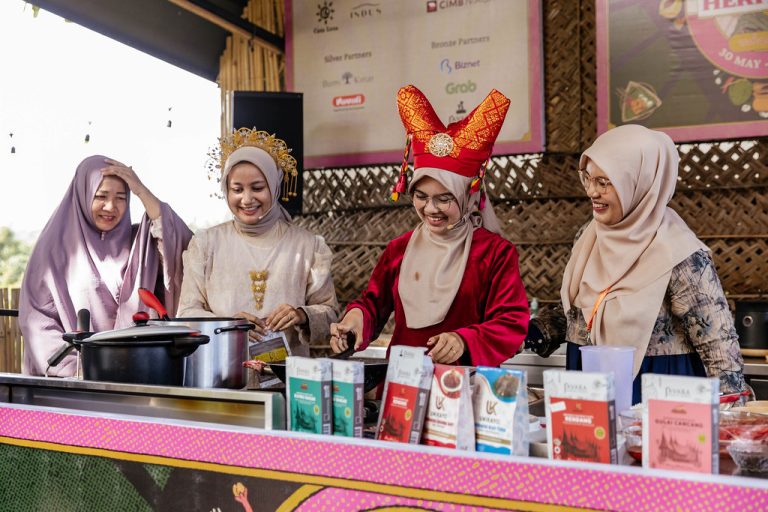
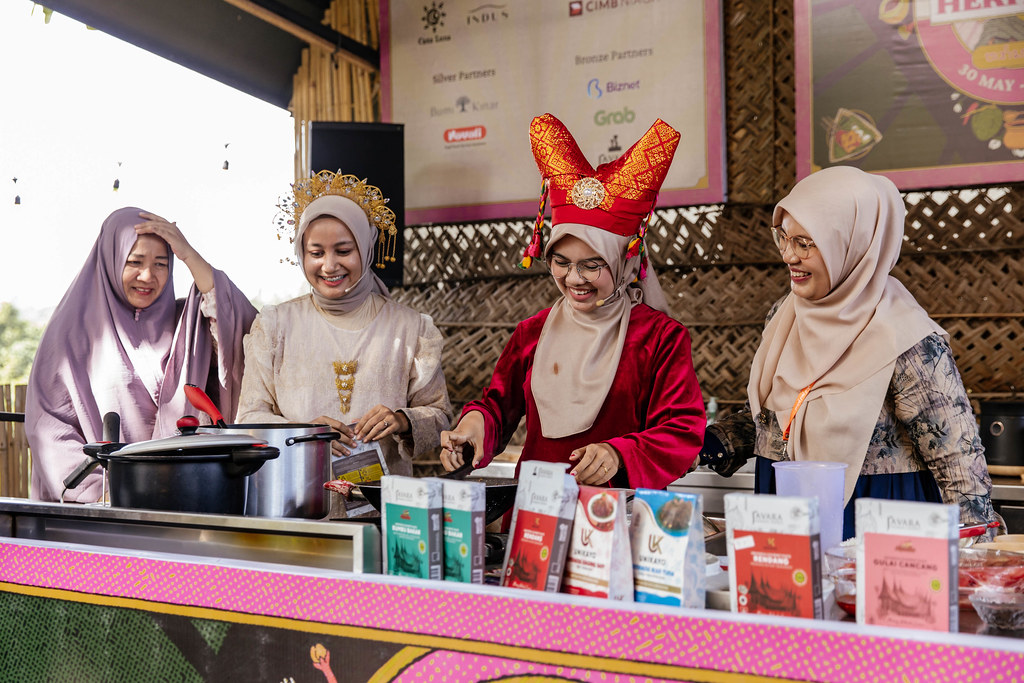
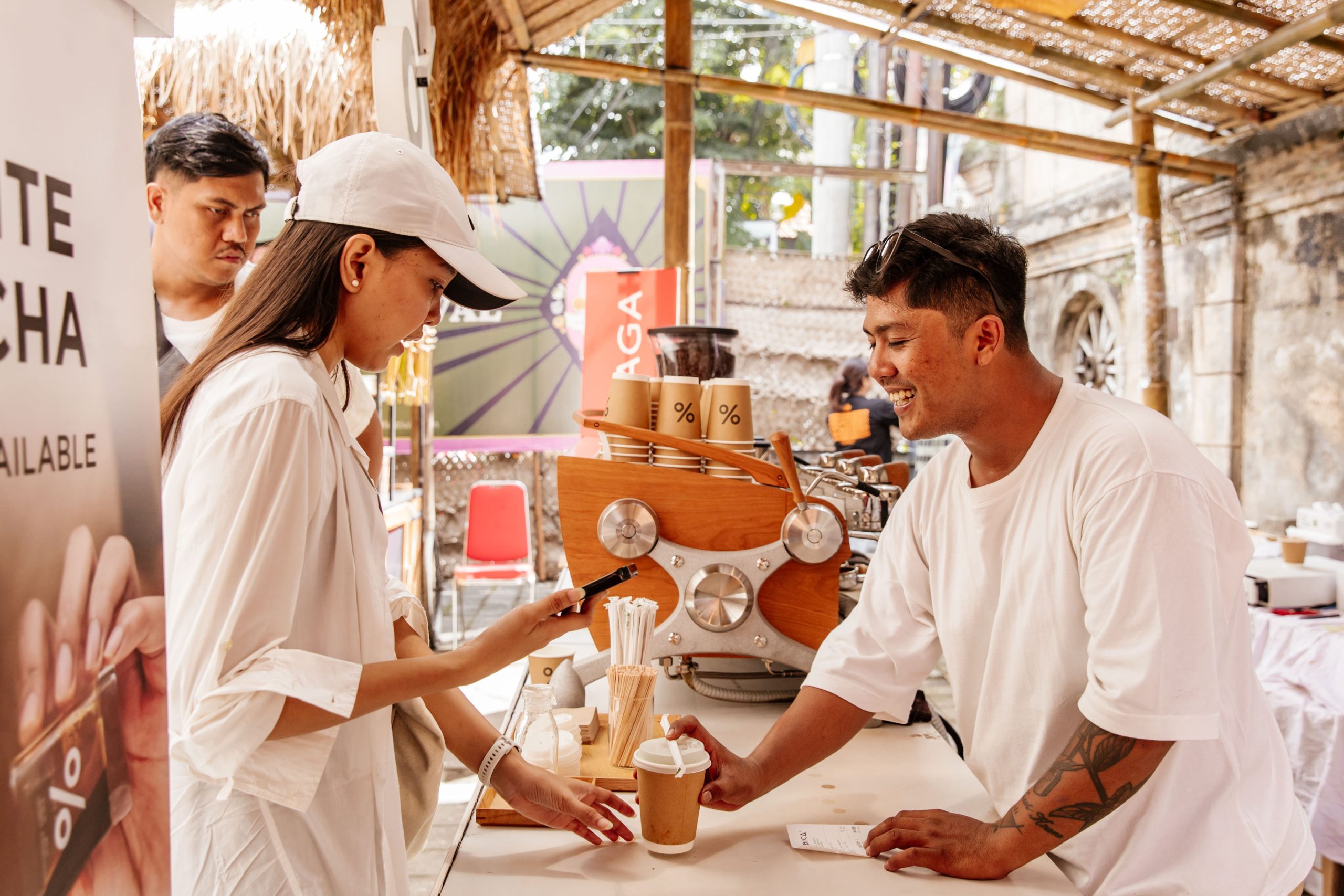
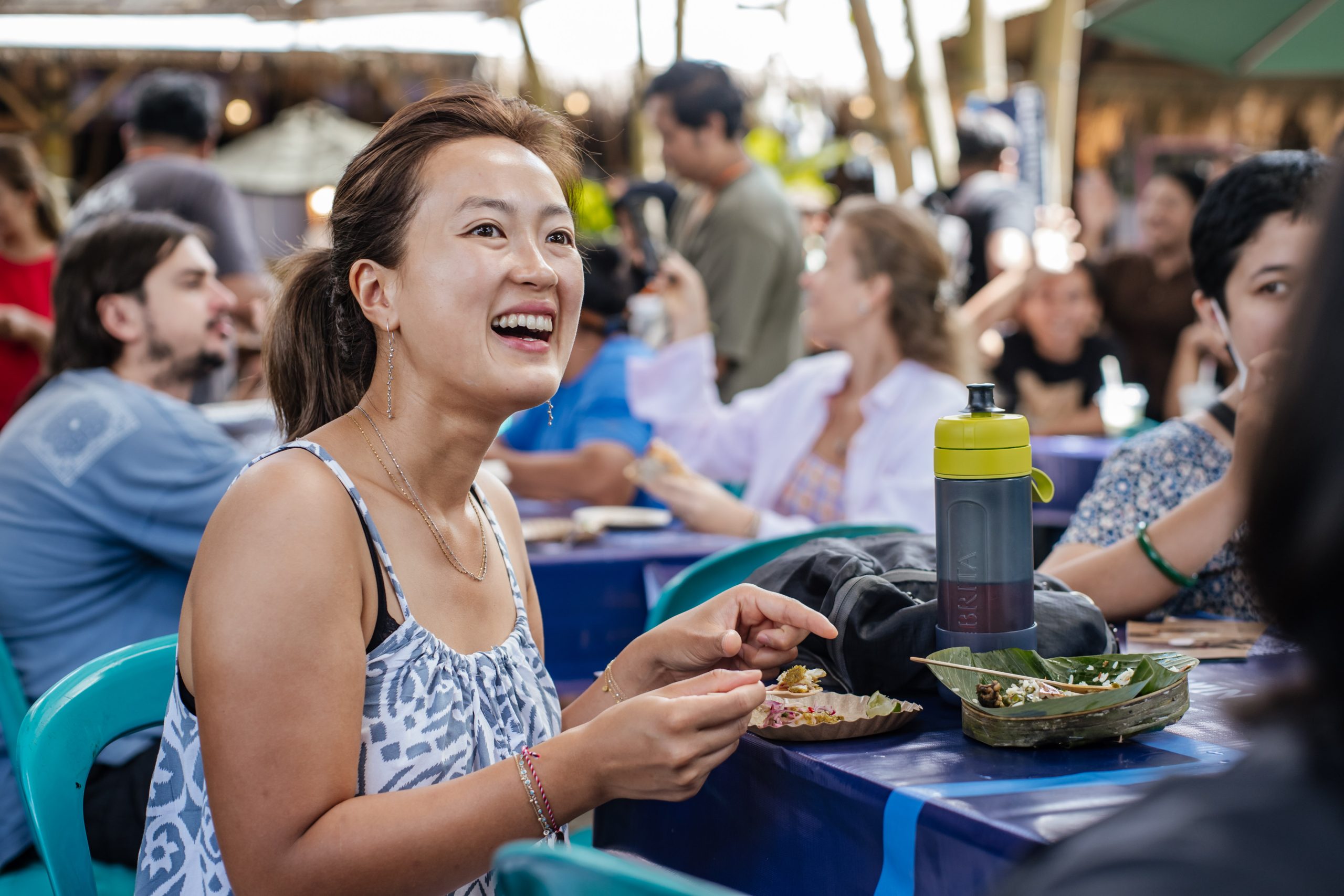
Entry to the Food Market is free. The open-air venue at Taman Kuliner fills with over 70 food vendors, artisan producers and local food makers from across Indonesia. There are live cooking demonstrations on stage, in-depth food talks, hands-on masterclasses and curated dining experiences spread across some of Ubud’s most beautiful venues.
Here is a simple way to look at it. This is the kind of festival where you arrive for a cooking demonstration and stay for a conversation between a Balinese chocolate farmer and a Bangkok-based chef about why the best food always starts in the soil.
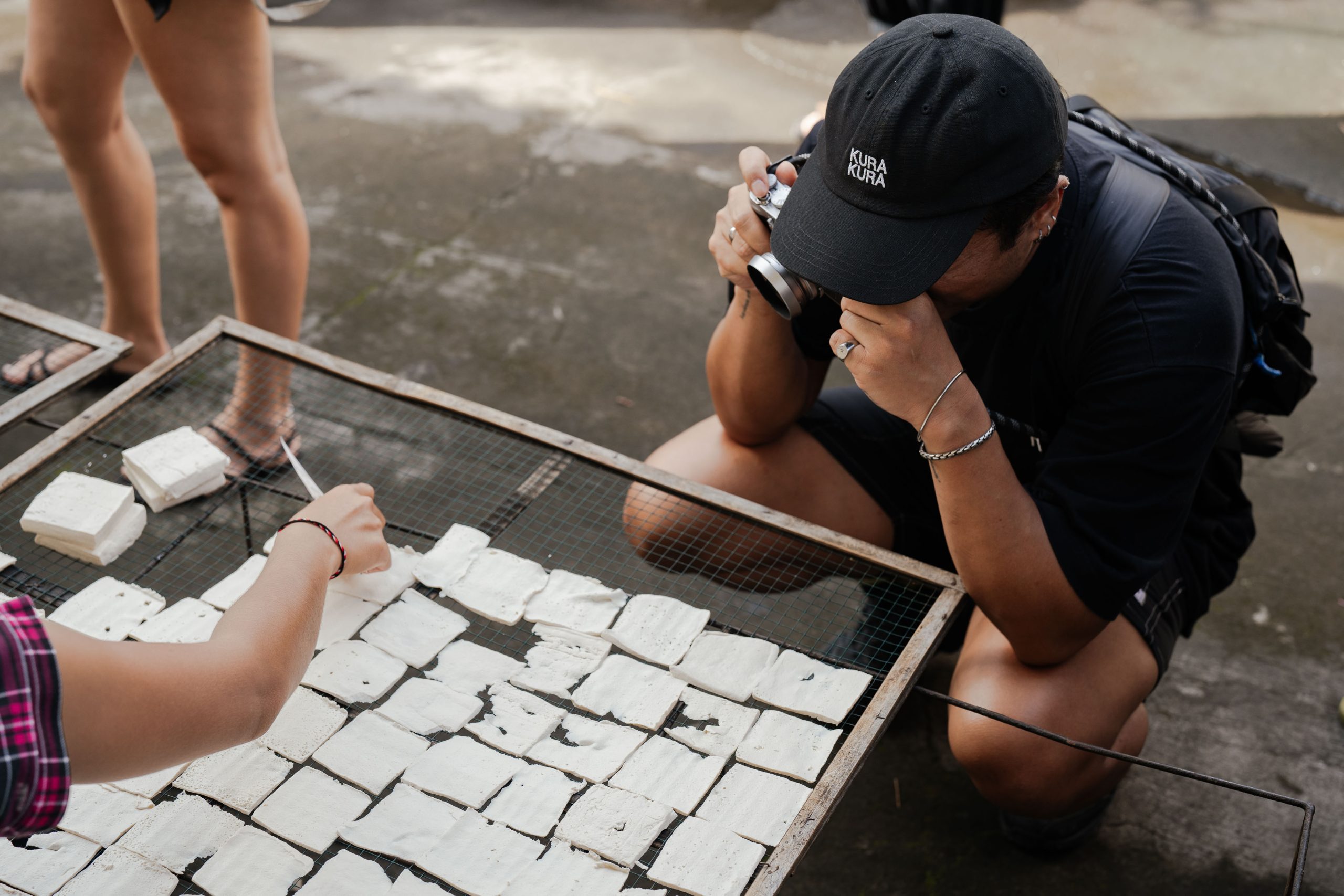
Ubud Food Tours 2026: The Experiences Every Serious Foodie Should Not Miss
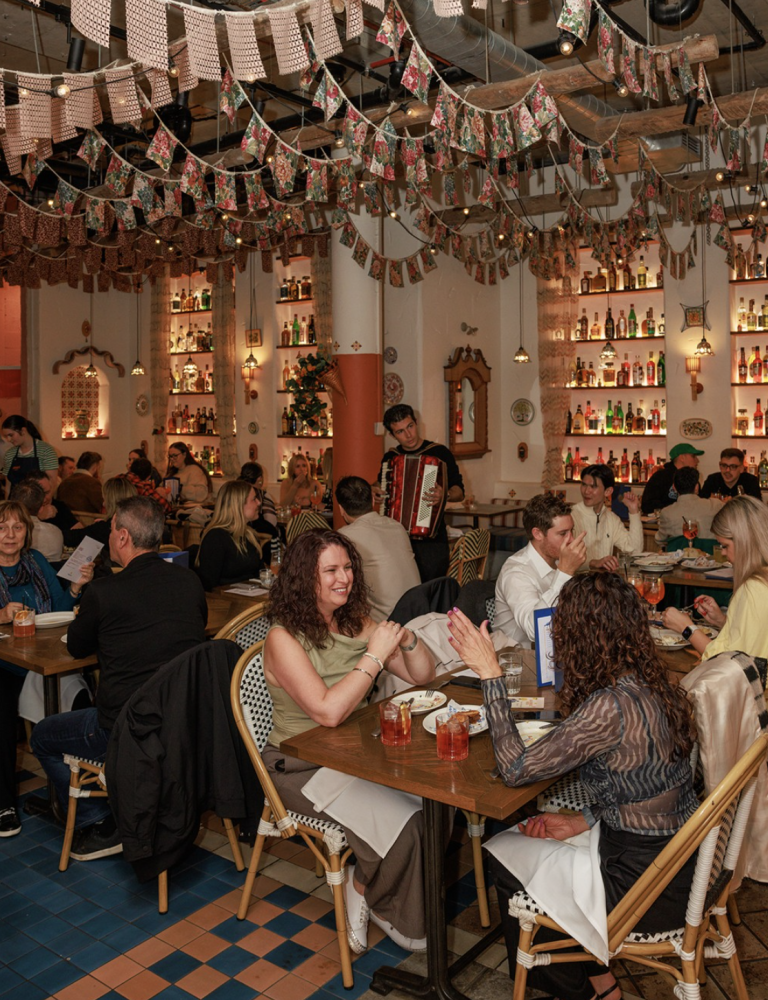
The heart of the festival is Taman Kuliner, an open-air space beneath Bali’s wide skies where the energy is unhurried but alive. You move between market stalls and cooking stages at your own pace. You eat. You listen. You talk to producers you would never otherwise meet.
UFF26 has built a program of them that goes genuinely deep into Bali’s food landscape.
There is the early morning walking tour through Ubud’s authentic food culture, starting with kopi Bali and fried bananas and ending with a communal breakfast at Casa Luna. There is the foraging experience in Wongaya Gede Village, where you gather wild ingredients before preparing and sharing a communal meal with local guide Made Masak. There is the Kintamani farm tour, where you travel to Bali’s cool highlands to harvest coffee and citrus with a local farmer before a traditional lakeside Balinese lunch.
For travellers who want to venture further, the East Bali Food Trail takes you through palm sugar and sea salt production, ending with a local warung lunch featuring regional seafood dishes that most visitors to Bali never make it far enough to find.
And if you want to experience Ubud at its most ceremonial, the Rice Fields and Rituals morning walk takes you through village life, teaches you about ceremonial ingredients, and ends with preparing and sharing a traditional lawar dish together
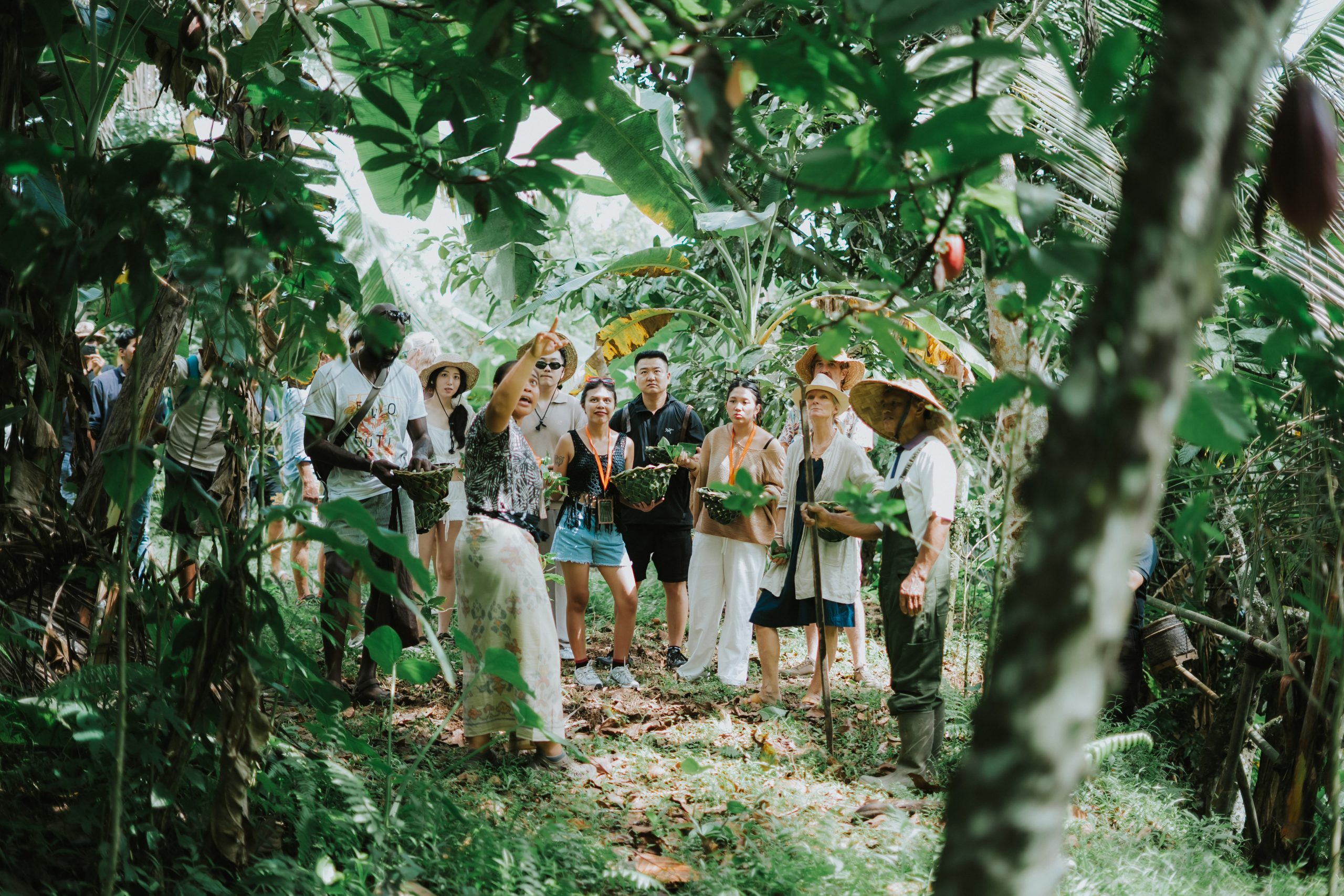
What I see working really well in a program like this is the way food becomes the entry point into something much bigger, culture, community, a way of understanding a place that goes well beyond the surface. For the adventurous, there is also the Wild Foraging and Cooking session with Chef Krisna in Sayan. It is a hands-on jungle foraging experience followed by open fire cooking and a riverside meal rooted in traditional Balinese techniques. If you pick one experience to book first, let it be this one.
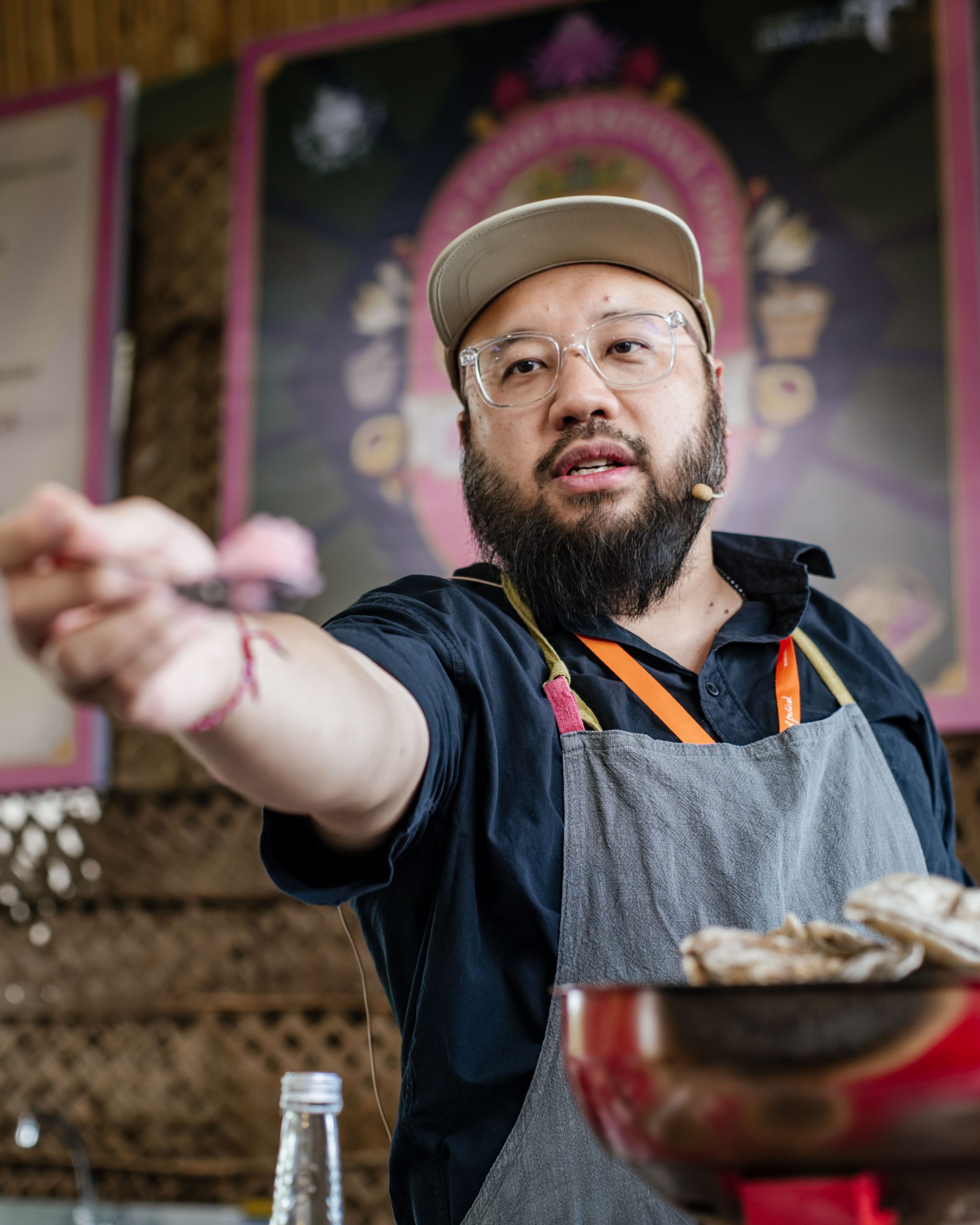
Ubud Food Festival 2026 Chef Lineup: Who Is Cooking at UFF26
What I find most interesting about the UFF26 lineup is what their presence together says about where Indonesian food culture is heading.
Leading the international headliners is Bangkok-based Chef Prin Polsuk of the award-winning Samrub Samrub Thai, a chef whose entire practice is built around deep research into historic Thai recipes and reconnecting diners to flavours at risk of being lost.
From Australia, Chef Ben Devlin brings his sustainable coastal-produce philosophy from Sydney’s Pipit. Pastry innovator Kate Reid of Melbourne’s cult-favourite Lune Croissanterie joins the program, as does Spanish-born Chef Frank Camorra, the owner of Melbourne’s iconic MoVida and the chef who introduced modern Spanish tapas to Australia. Elevating the beverage program is acclaimed Australian mixologist Darren Leane from the award-winning Caretaker’s Cottage.
Representing the dynamism of contemporary Indonesian cuisine is Chef Jovan Koraag of Jakarta’s Mata Karanjang. And at the very heart of this year’s festival stands Balinese chocolate farmer Agung Widyastuti, a figure who champions resilience, sustainability and generational knowledge. His presence at UFF26 is a deliberate statement from a festival that understands where great food really begins. Not in the kitchen. In the soil.
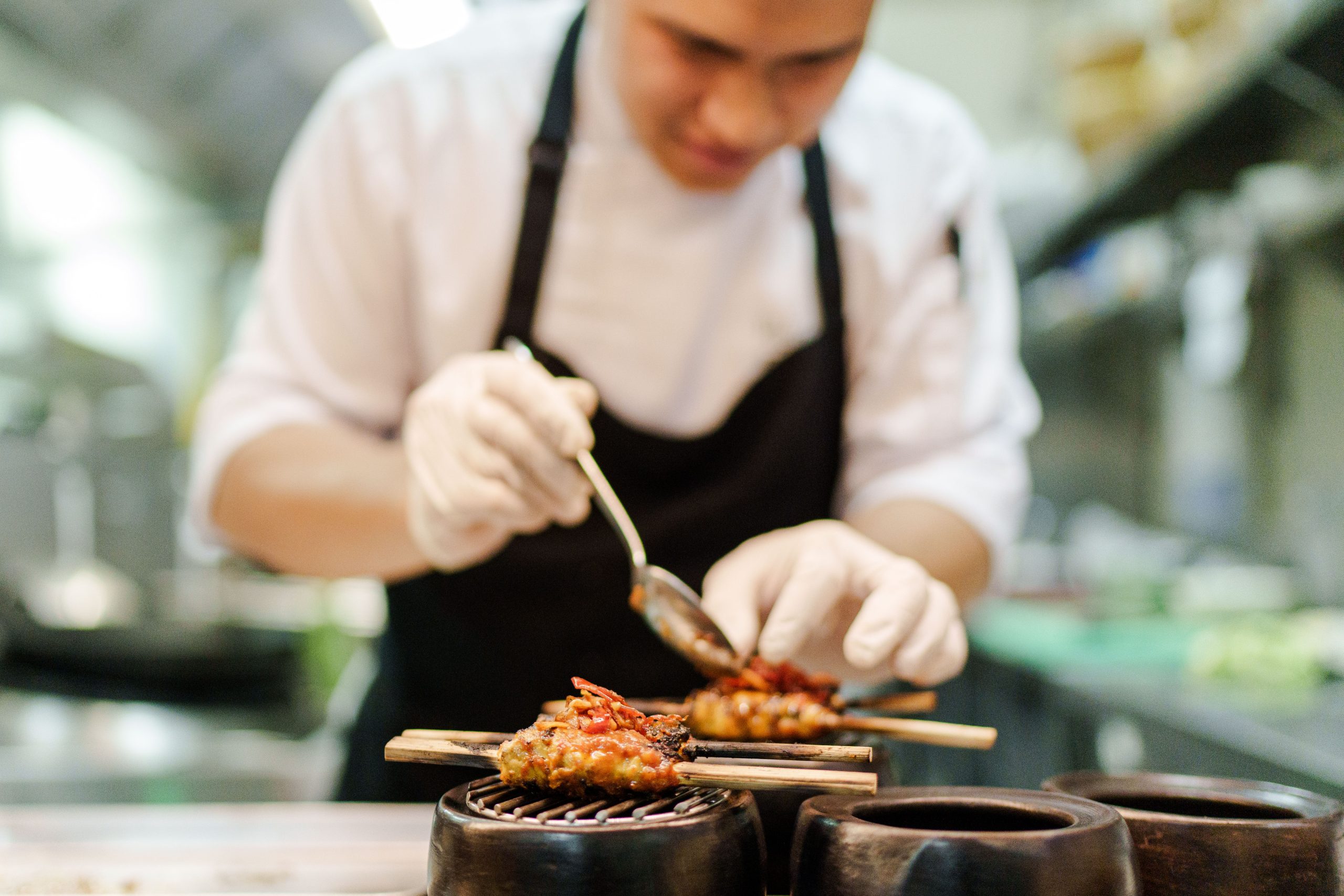
How to Plan Your Bali Trip Around Ubud Food Festival 2026
Here is what this looks like in practice. May in Ubud. Lush from the rains. Quiet before the July surge. Up to 30 per cent cheaper on accommodation. Flights available from every major Australian city. And this year, four days of some of the best food, conversation and cultural experience Southeast Asia has to offer sit right in the middle of it.
Food tours for UFF26 are on sale now. Special event tickets open in mid-April. If you have been waiting for a reason to do Ubud differently, to go before the crowds, to eat your way through Bali’s food landscape rather than just past it, this is it.
The festival runs 28 to 31 May 2026 at Taman Kuliner, Ubud. Pick one tour, book it this week, and let the rest of the trip build from there.
Explore the full program and book your experience at ubudfoodfestival.com.
FAQs
When is the Ubud Food Festival 2026?
The Ubud Food Festival 2026 runs from 28 to 31 May 2026 at Taman Kuliner in Ubud, Bali. This year the festival expands to four full days, with one extra day added due to popular demand.
Is the Ubud Food Festival free to attend?
Entry to the Food Market at Taman Kuliner is free. Special events, masterclasses, Chef’s Table sessions and food tours require a separate ticket. Special event tickets go on sale in mid-April. Food tours are already on sale now and are worth booking early as sessions fill quickly.
What is the theme of Ubud Food Festival 2026?
This year’s theme is Farmers: Guardians of Land and Sea. The 2026 edition places farmers, fishers and local producers at the centre of the conversation, honouring the people and the knowledge behind Indonesia’s extraordinary food story. It is one of the most purposeful themes the festival has taken on, and it runs through every part of the program.
Who is performing at Ubud Food Festival 2026?
UFF26 brings together an impressive mix of international and Indonesian culinary talent. The international lineup includes Chef Prin Polsuk of Bangkok’s Samrub Samrub Thai, Chef Ben Devlin of Sydney’s Pipit, pastry innovator Kate Reid of Melbourne’s Lune Croissanterie, Chef Frank Camorra of Melbourne’s MoVida, and Australian mixologist Darren Leane of Caretaker’s Cottage. Representing Indonesian cuisine is Chef Jovan Koraag of Jakarta’s Mata Karanjang, alongside Balinese chocolate farmer Agung Widyastuti, who sits at the very heart of this year’s program.