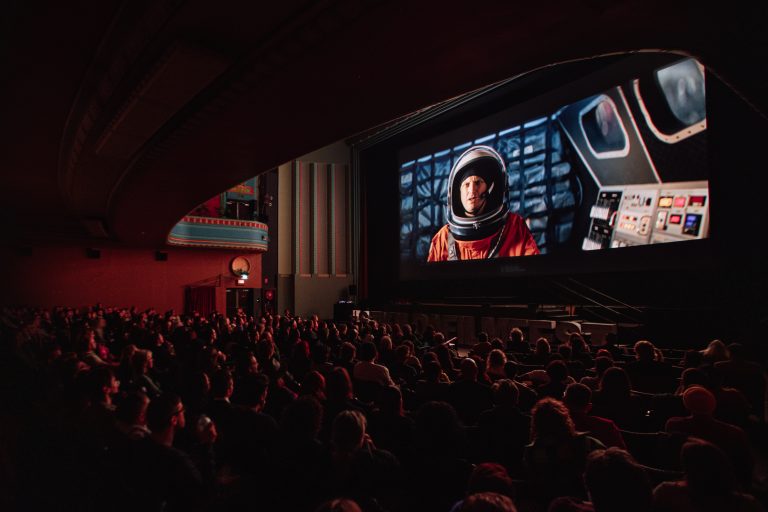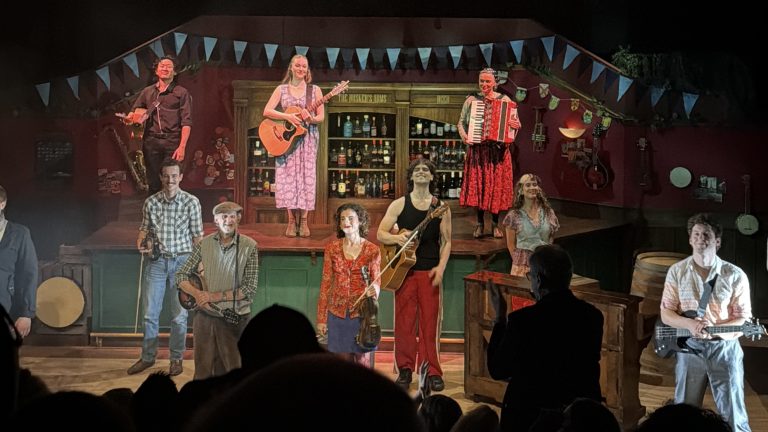
If you love theatre, you already understand what most people miss about short film. You understand that intimacy is not a limitation. That a small stage, a confined space, a story told without the machinery of spectacle, can reach further into a person than anything with a larger budget ever could. You have sat close enough to an actor to see them breathe and felt the room hold its breath in return. You know that proximity is everything.
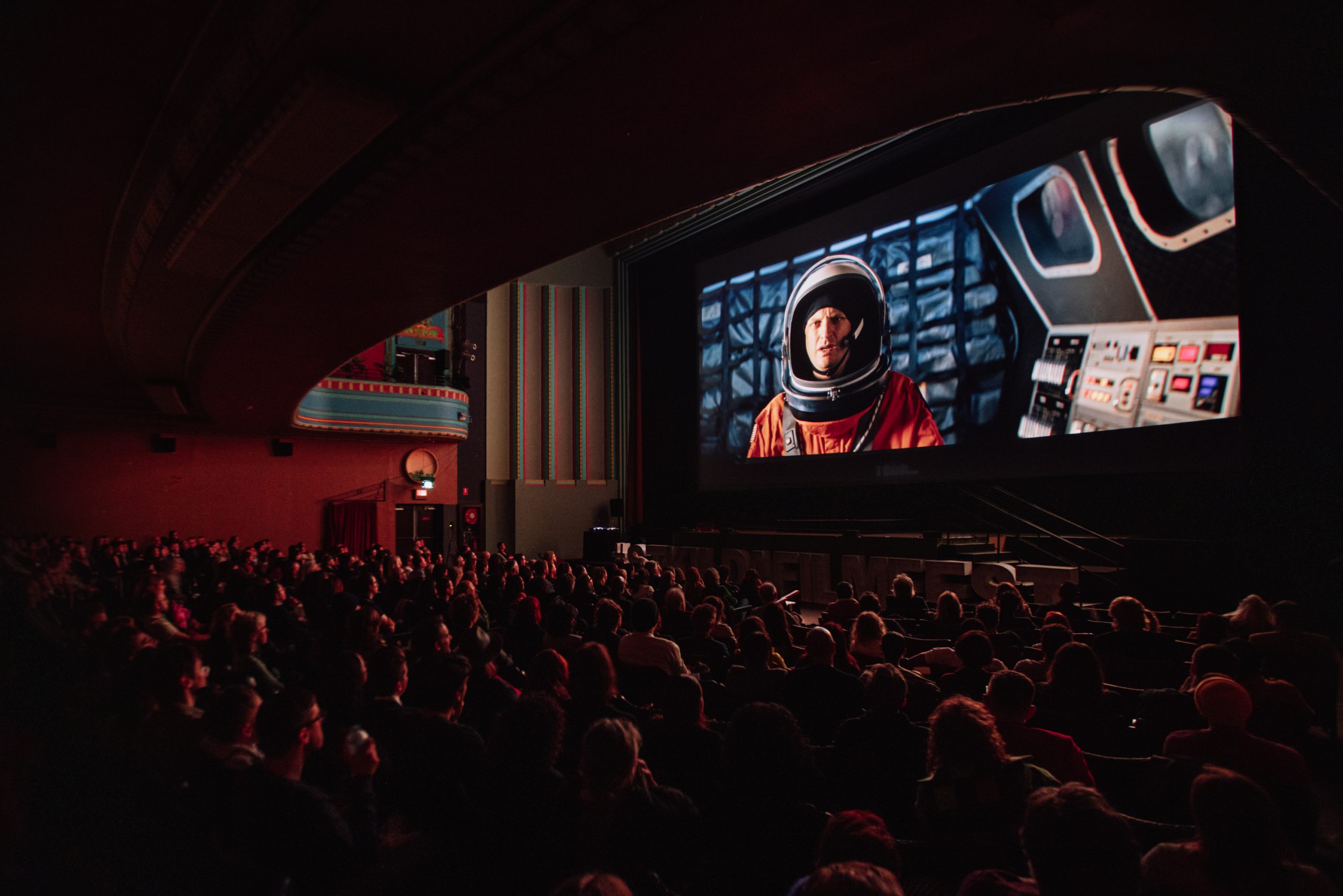
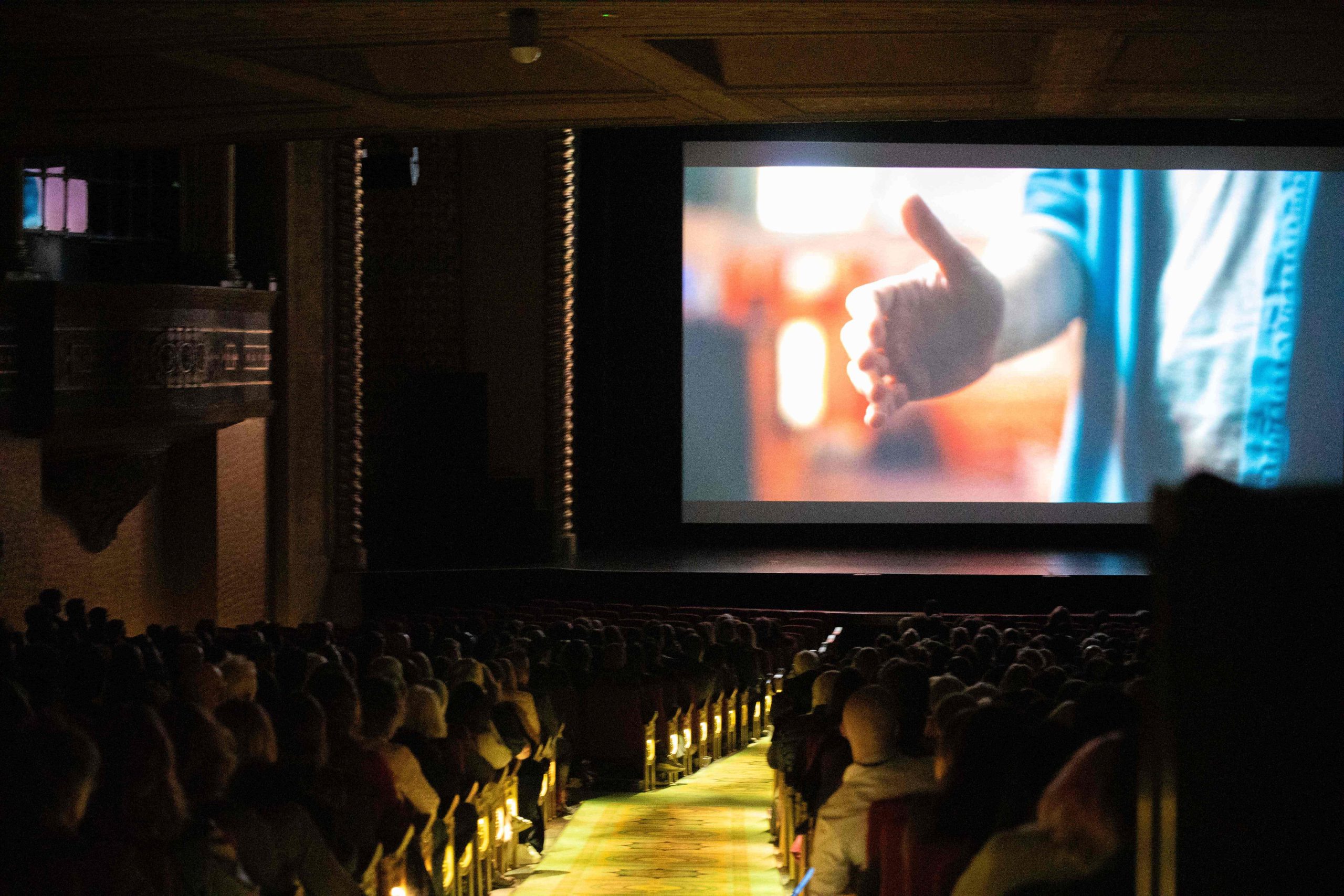
Short film operates on exactly that principle. The best ones are theatre without the stage, intimate and immediate and impossible to look away from, built by filmmakers who understand that fifteen minutes of precision will always outlast two hours of noise. The St Kilda Film Festival has known this for four decades, and in 2026, running from 4 to 14 June with nearly 200 films drawn from a record 960 submissions, it makes the case more powerfully than ever.
This is not a film festival for people who consume cinema. It is one for people who feel it.
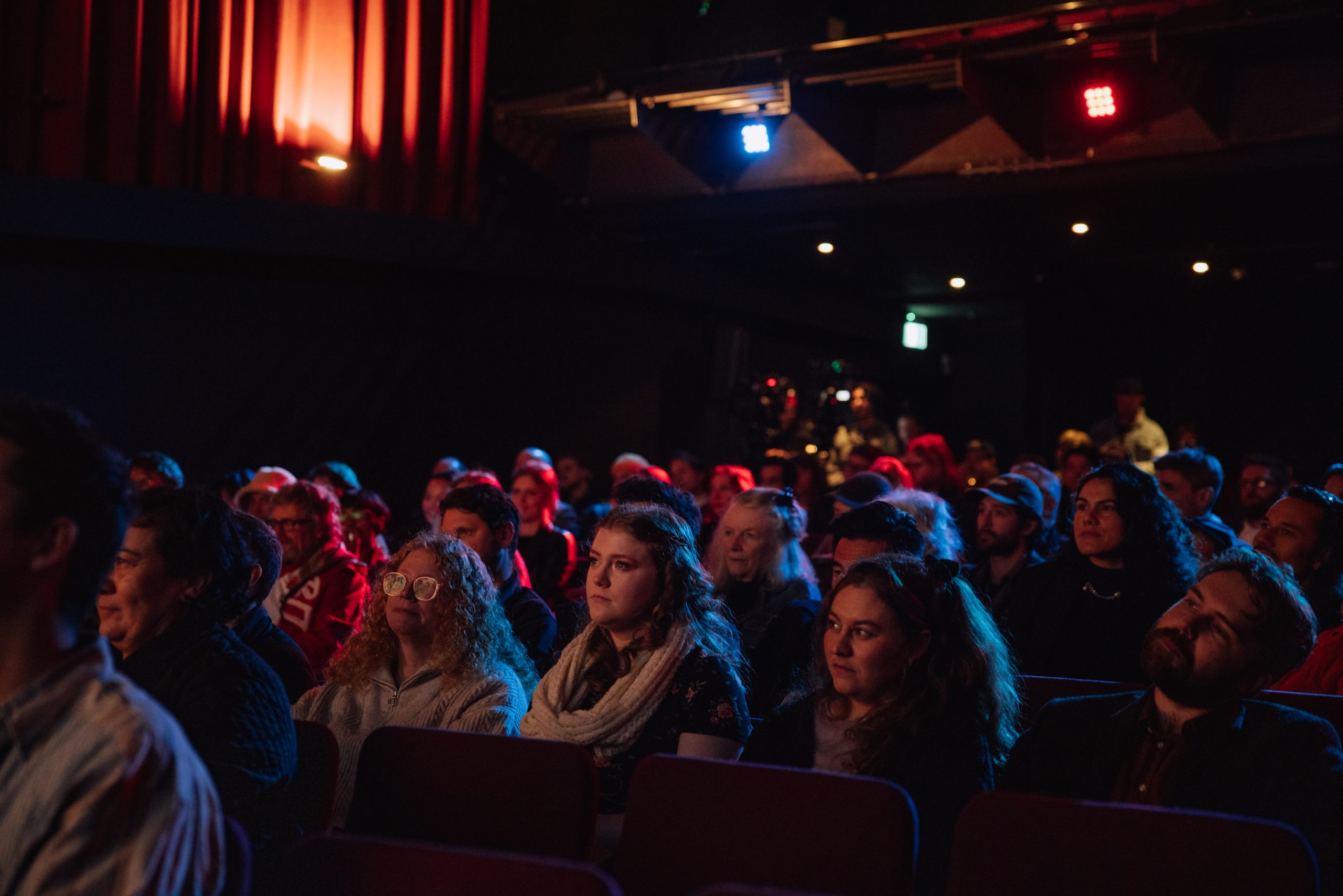
St Kilda Film Festival 2026 and the Oscar Nobody Told You About
Here is something worth sitting with. A filmmaker in Australia, working with almost no budget, shooting on weekends, pouring everything they have into fifteen minutes of story, can submit that film to the St Kilda Film Festival and, if it wins, find themselves on a pathway toward Academy Awards consideration. Not a metaphorical pathway. A structural, institutional, formally recognised one.
Most people do not know this. Most people think of short film the way they think of a support act, something you sit through before the main event, something earnest and slightly underfunded and charming in a minor key. The St Kilda Film Festival has spent forty years making the opposite argument, and in 2026 that argument has never been more persuasive.
This year’s Top Shorts competition received 960 submissions, seven per cent more than the previous year and a record in the festival’s history. Those are not hobbyists filling out an online form. Those are Australian filmmakers who understand exactly what this competition represents and what it can do for a career. SKFF Director Richard Sowada has seen a lot of programs across a lot of years, and when the 2026 lineup landed in front of him he said something that stopped people in their tracks. He believes this year marks a genuine turning point for the short film format in Australia. That the ambition in this program, the confidence and the willingness to take real creative risks, is operating at a level he has not seen before.
When the person who reads every submission says that, you clear your June calendar and find out what he means.
Why Short Film Is the Most Demanding Art Form Nobody Takes Seriously Enough
Before the sessions and the ticket prices and the names you will recognise, it is worth asking why any of this matters. Why short film specifically. Why this festival specifically. Why now.
The short film is one of the most demanding creative forms in existence, and almost nobody treats it that way. It has no room for filler, no space for a slow second act, no budget for spectacle to paper over weak storytelling. What it has is fifteen minutes, sometimes ten, occasionally four, and the requirement to make something complete inside that space. A beginning, a middle, an end, and something that lodges in the chest afterwards and refuses to leave quietly.
Melbourne audiences who have sat with the weight of The Diary of Anne Frank at the Athenaeum Theatre, or felt the room shift during Bernie Dieter’s Club Kabarett at the Meat Market, already know what it feels like when a story uses its space with absolute precision. Short film chases exactly that feeling. Every single time.
Australia has always been exceptionally good at this, and the reasons are not accidental. So much of our storytelling tradition lives in compressed forms. The yarn. The song that carries a century of history in three verses. The joke that contains an entire worldview in its punchline. We are a culture that learned to say a great deal with very little because distance and isolation demanded economy, and because the stories most worth telling were often the ones the mainstream had not yet found room for.
The St Kilda Film Festival is the institution that decided those stories deserved a room of their own. Presented by the City of Port Phillip and now in its fourth decade, it has built that room carefully and with real conviction, and in 2026 it is fuller than it has ever been.
960 Filmmakers Tried to Get In. Here Is What Survived.
The program that emerged from this year’s record submissions is one of genuine range and genuine strangeness, which is exactly the right combination. Here is what deserves your attention before tickets disappear.
Hugo Weaving at a Baby Shower Gone Spectacularly Wrong
Baby Shower, directed by Matt Day, stars Hugo Weaving in a film about a woman whose carefully planned celebration unravels the moment her estranged father walks through the door uninvited. Weaving plays the kind of role that announces itself quietly and then refuses to leave the room, the kind of performance that costs the actor something real and gives the audience something they did not know they needed. This is not a curiosity. This is a film.
A Billionaire, a Broken Heart and Michael Cusack’s Live-Action Debut
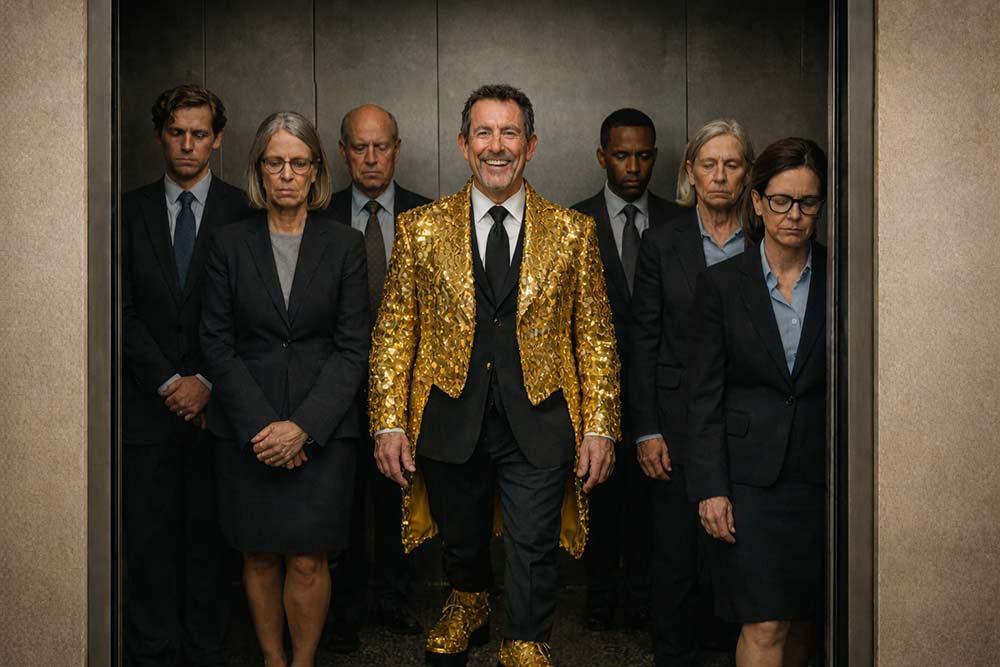
Michael Cusack, the animator behind Smiling Friends and YOLO, makes his live-action debut with THE CEO, in which a newly minted billionaire tracks down the woman who broke his heart decades ago to deliver the ultimate vindication. Whether the vindication lands or curdles into something more complicated is, knowing Cusack’s sensibility, entirely the point. This is one of the most anticipated shorts in the program for anyone who has watched what he does with ambition and ego and the gap between what people want and what they actually deserve.
The Film That Has Only Been Screened Publicly Once in Thirty Years
Last Drinks, made in 1996, documents the final days before the first renovation of the Prince of Wales Hotel in St Kilda. It has been screened publicly exactly once. This year marks its 30th anniversary, and SKFF 2026 is giving it only its second public showing, paired with Punkline from 1980, a portrait of the Crystal Ballroom where Nick Cave, The Cure, New Order and the Dead Kennedys all played in an era when St Kilda was genuinely unpredictable and the city had not yet decided what to do with it.
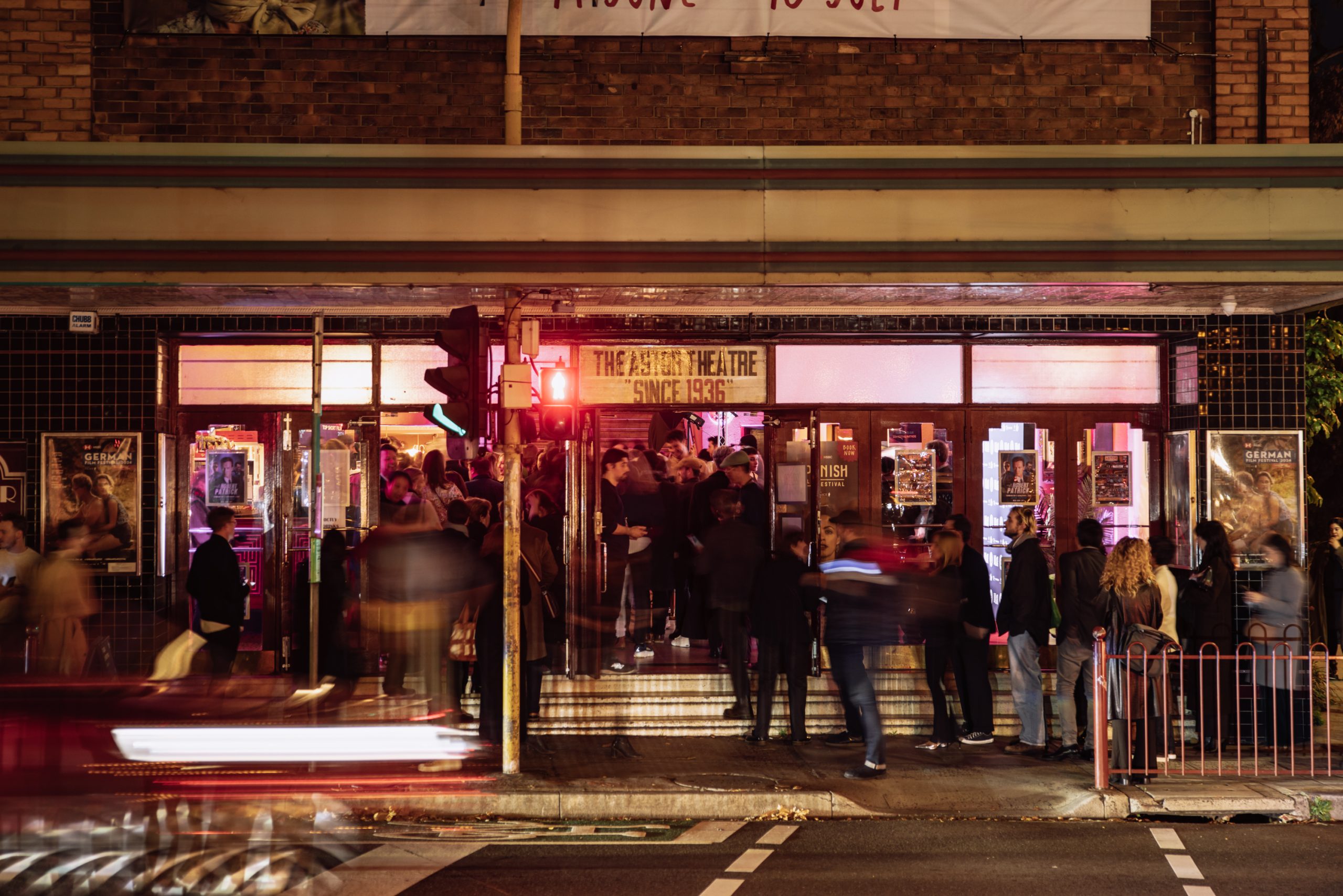
Together under the banner of St Kilda Rocks, these two films form a document of a suburb that shaped Melbourne’s cultural identity before anyone was paying close enough attention to write it down properly. The evening opens with a live PBS broadcast of Stone Love with Richie 1250 at the Astor Theatre on 5 June and closes with a filmmaker Q&A. This is one of the most significant sessions on the entire 2026 schedule, and it is the kind of night that only a festival with this depth of institutional memory could programme. For anyone who has explored Melbourne’s live performance history through pieces like Amplified: Chrissy Amphlett at Comedy Theatre or The Great Gatsby Jazz and Ballet Odyssey at Her Majesty’s Theatre, this session speaks the same language. A city remembering itself through performance.
The Trans Horror Film That Is Also One of the Most Honest Films in the Program
The Dysphoria, directed by Kylie Aoibheann, follows a trans woman who performs a Satanic ritual to get a vagina and unwittingly invites a demonic presence into her home that demands a terrible sacrifice. Working entirely within the architecture of classic demonic horror, the film uses the genre to explore what trans people must actually sacrifice in order to exist as themselves. Brave and strange and probably the most memorable pitch for a short film in 2026. This is what the short form can do that a feature rarely dares: take a premise that sounds provocative and make it land with precision and feeling.
The Indigenous Film That Asks What It Means to Live Three Lives at Once
Faceless, directed by William Jaka, follows an Indigenous man navigating three parallel lives along the Birrarung-Ga in Naarm, moving between the margins, the arts and the corporate world. An award-winning First Peoples film and one of the clearest arguments in this year’s program for why the short film, at its best, can hold more human complexity per minute than almost any other form.
The St Kilda Film Festival 2026 Sessions Worth Booking Before Someone Else Does
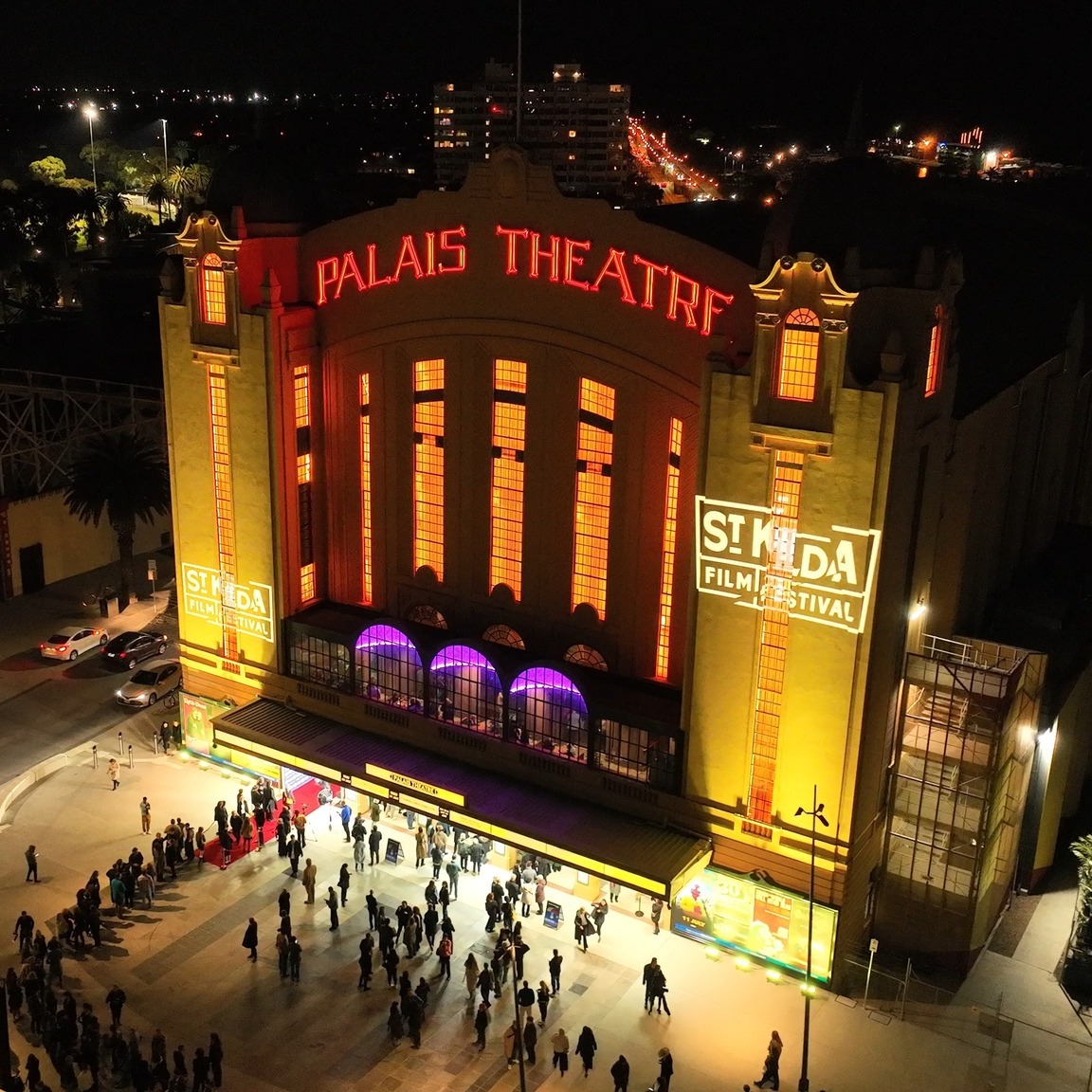
The festival runs across the Palais Theatre, the Astor Theatre, St Kilda Town Hall, JMC Academy and the Victorian Pride Centre, and the sessions that tend to disappear first are always the ones with a live or one-off element.
The Australian Comedy Showcase on 5 June is one of the festival’s fastest-selling sessions every year, a sharp and chaotic lineup that dives into the absurdities of modern life and follows with a filmmaker Q&A. If you enjoyed the razor-sharp character work in Heathers the Musical at Arts Centre Melbourne or the layered tension of ART at Comedy Theatre, the comedy shorts in this program will feel like a natural extension of the same cultural appetite. The Pride Without Prejudice LGBTIQ+ Showcase on 13 June, which concludes with drinks and networking at the Victorian Pride Centre, sells out almost as quickly. The First Peoples Showcase on 7 June, with acclaimed filmmaker David Batty present for a screening and conversation around Black As, is one of the most culturally significant evenings on the schedule.
The Live Cinema Experience on 8 June, led by award-winning director Michael Beets, deserves a mention of its own because it is genuinely unlike anything else in the program. Four teams create, edit and score short films in real time in front of a live audience. The filmmaking process with no safety net and no second chances. If you have ever been curious about what it actually takes to make a film, this is the most honest answer the festival can offer.
For Filmmakers: The Free Day at St Kilda Film Festival 2026 That Might Change Your Direction
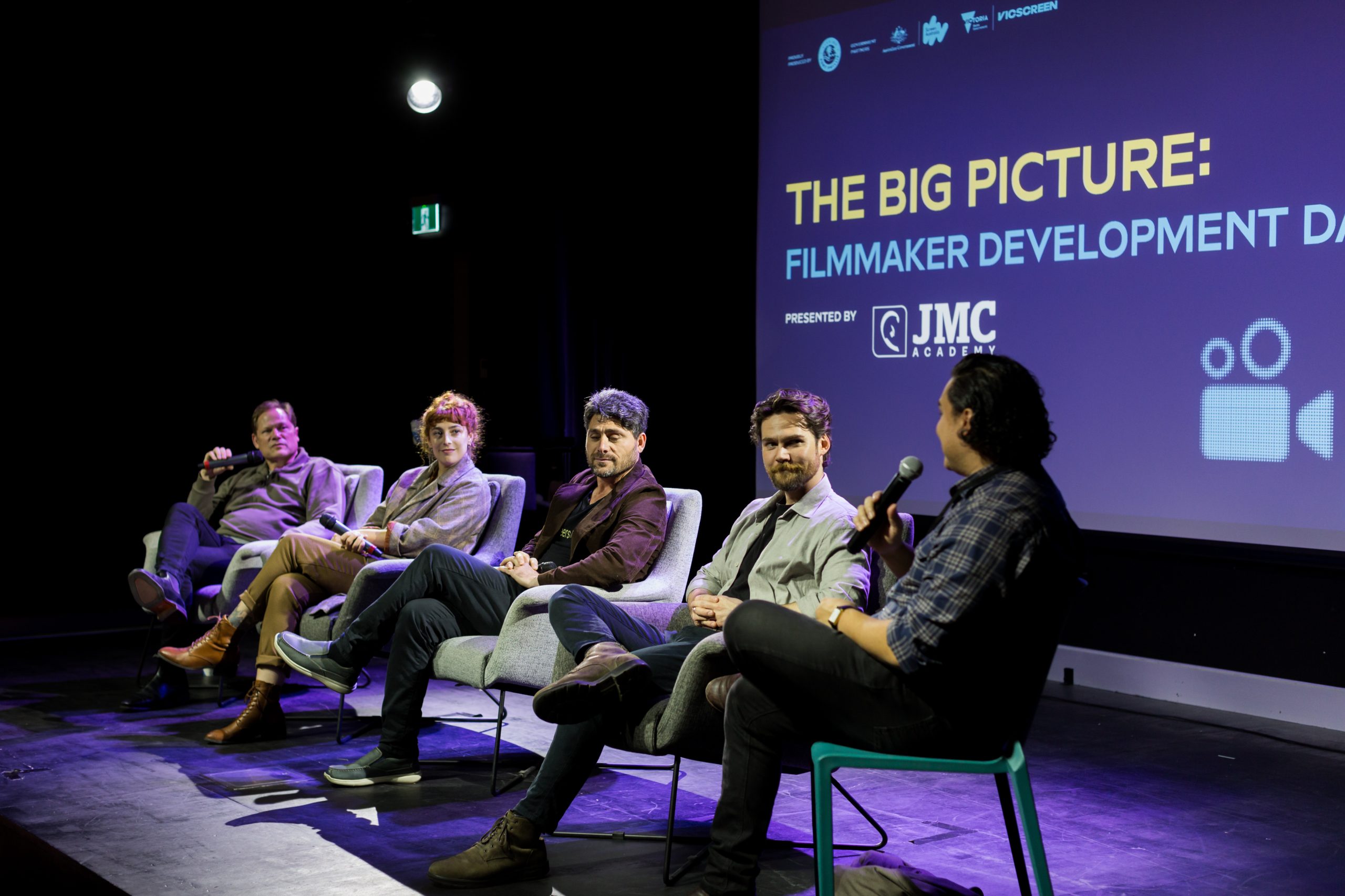
The Big Picture on 6 June is the festival’s free filmmaker development day presented by JMC Academy, and it is one of the most underrated offerings in the entire program. Forty-two panels, workshops and networking events across a full day, open to creatives at every stage of their career, free to attend with booking required. In a city that talks a great deal about supporting local creative industries, this is the festival actually doing it.
The Under the Radar youth competition, for filmmakers aged 21 and under, received 135 submissions this year. Screenings are $10. The work consistently surprises audiences who assume emerging means unfinished, and it is one of the best investments of an afternoon in the entire June calendar.
Your Practical Guide to St Kilda Film Festival 2026: Dates, Venues and Tickets
The St Kilda Film Festival 2026 runs from Thursday 4 June to Sunday 14 June. Opening Night at the Palais Theatre is $35, with the after-party available separately for $25. Regular screenings are $17.50. Under the Radar screenings are $10. Selected events are free with booking required.
The full program and all bookings are at stkildafilmfestival.com.au. Buy the sessions with a live element first. Then work backwards through everything else.
The Silence After the Credits
The best short films do not announce themselves. They do not arrive with the weight of expectation or the marketing machinery of something that needs to justify its budget. They simply begin, and then they end, and then the room is quiet in that particular way, and you are not quite the same person who sat down fifteen minutes ago.
That is what the St Kilda Film Festival has been building toward for four decades. Not prestige. Not spectacle. That silence. The one that means something landed. The one that means a story found its room.
In 2026, with 960 filmmakers competing for that room, with an Oscar-qualifying competition at its centre, with a director who believes this is a turning point for Australian cinema and a program that makes a compelling case for exactly that, the St Kilda Film Festival 2026 has never had more to say.
Go and hear it. Tickets at stkildafilmfestival.com.au.
FAQs
Can the St Kilda Film Festival 2026 really put a filmmaker on the path to an Oscar?
Yes. The Top Shorts competition is an Academy Awards qualifying event, meaning winning films can be submitted for Oscar consideration. This makes SKFF one of the most significant short film festivals in the country for filmmakers with serious ambitions.
When and where does St Kilda Film Festival 2026 run?
hursday 4 June to Sunday 14 June 2026, across the Palais Theatre, Astor Theatre, St Kilda Town Hall, JMC Academy and the Victorian Pride Centre in Melbourne.
How many films were submitted to St Kilda Film Festival 2026?
Opening Night is $35, the after-party is $25, regular screenings are $17.50, Under the Radar screenings are $10, and selected events are free with booking required.
How much do tickets cost?
Which sessions sell out fastest?
The Australian Comedy Showcase, the LGBTIQ+ Showcase and any session with a live or one-off element. Book those first.
Where do I find the full program and buy tickets?
Everything is at stkildafilmfestival.com.au.