The Search for Quiet Simplicity
Melbourne is famous for its caffeine-fuelled pace and relentless drive but what happens when the constant hustle leads to burn-out? In an era where every moment is captured and every item must be “perfect,” a growing segment of consumers is trading digital noise for deeply authentic, quiet connection. This yearning for balance and slowness has anchored itself in Melbourne’s Inner North, where a collective of small businesses is quietly cultivating a hub based on Japanese lifestyle philosophy. As someone living in the Inner North, I can say that this cultural hub is a true relief. This article explores how Collingwood is strategically using the power of Wabi Sabi (the appreciation of imperfect beauty) and Shokunin (dedication to craft) to build an immersive cultural ecosystem, providing a vital blueprint for any small business looking to establish long-term, profitable brand identity in the chaotic modern economy.
Defining the Aesthetic: Philosophy for a Fast World
To truly understand this movement, which elevates simple commerce into a profound experience, we must first understand the core philosophical principles driving it. These concepts are the secret language that the Inner North’s artisan entrepreneurs speak.
Wabi Sabi: Finding Beauty in the Imperfect
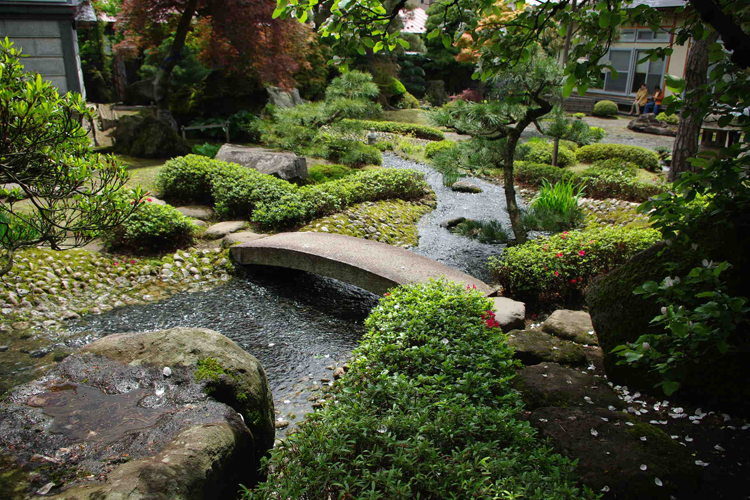
The aesthetic of Wabi Sabi is deeply rooted in Zen Buddhism, prompting us to accept the transient, imperfect, and incomplete nature of life. “Wabi-sabi is a beauty of things imperfect, impermanent, and incomplete. It is a beauty of things modest and humble. It is a beauty of things unconventional”. – L. Koren. It is the powerful antithesis of the Western obsession with newness and perfection.
The Focus: Finding a “serene melancholy” in the rustic, the aged, and the simple.
The Principle: Flaws are not mistakes; they are marks of authenticity that showcase an object’s history and enduring value.
The Visual: This philosophy champions natural simplicity, such as the organic lines of handmade ceramics or the weathered texture of old wood.

Shokunin: The Lifelong Pursuit of Craftsmanship
Equally important is the concept of Shokunin (職人). This term embodies the relentless pursuit of mastery and craftsmanship.
The Mindset: A shokunin views their work not just as a job, but as a lifelong journey towards excellence.
The Dedication: It requires valuing the preservation of traditional skills and fostering an intimate connection to natural materials. “Once you decide on your occupation… you must immerse yourself in your work. You have to fall in love with your work. Never complain about your job. You must dedicate your life to mastering your skill. That’s the secret of success… and is the key to being regarded honourably.” – Jiro Ono
The Trust: The Inner North’s success lies in the way its businesses apply this philosophy. Their products and experiences are implicitly trustworthy because they are rooted in deep, verifiable cultural principles, rather than just market trends.
The Core of Cibi: Simple Dining Meets Purposeful Design
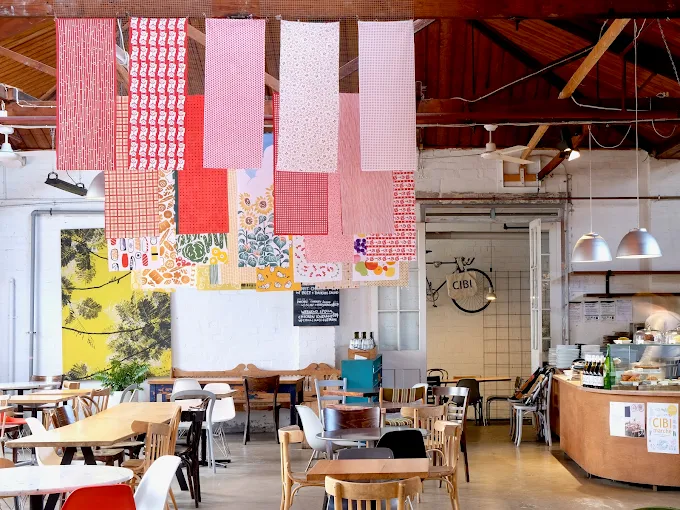
The anchor of Collingwood’s Japanese lifestyle movement is Cibi (which translates to ‘little one’), Located at 33–39 Keele Street, Collingwood, founded by Meg and Zenta Tanaka. Cibi is more than a café; it is a meticulously curated lifestyle concept store where dining and retail exist in harmony. Cibi’s strategic genius is integrating the principles of simplicity and function into daily life:
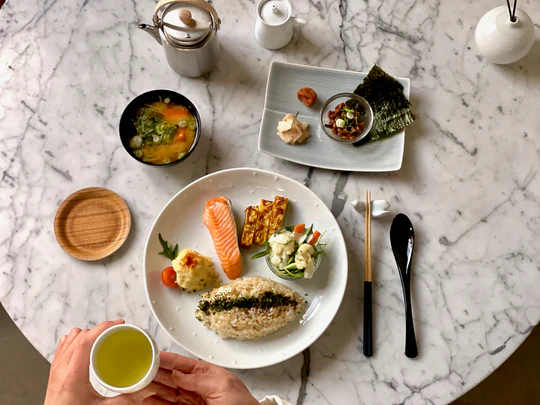
- Simple Dining: The Ritual of Balance. Cibi’s compact menu champions simplicity and seasonal produce, turning the morning meal into a ritualistic start to the day. The famed Japanese breakfast plate is beautifully arranged a stunning visual study in restraint and adheres to the Japanese proverb hara-hachi-bun-me (eating until you are 80 per cent full). This modest serving size is a conscious decision, staying true to a philosophy of “warming, wholesome and perfectly balanced” rather than excessive consumption.
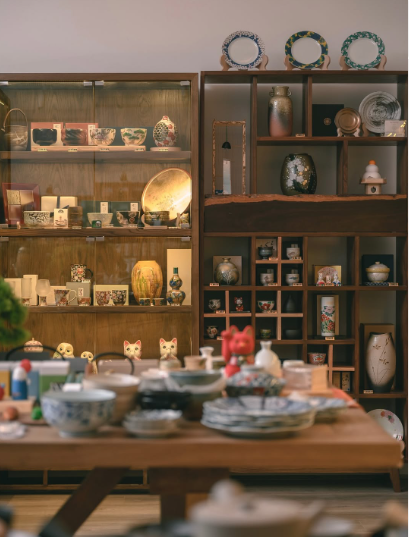
- Purposeful Retail: Head, Hands, and Heart. The adjoining retail space is a feast for the senses, but not of clutter. It is filled with functional ceramics, glassware, stationery, and Japanese pantry goods. For a local like myself, it is a genuine relief to be able to browse and purchase high-quality cooking appliances here. These items are chosen for their functionality, simplicity, and tactile joy, connecting directly to the Head, Hands, and Heart the founding mantra of Cibi. Every object you browse or purchase reinforces the article’s core theme: that mindful, authentic consumption is achievable.
Osara Australia: The Pursuit of Shokunin in Homewares
Just a short walk from Cibi, Osara Australia (at 118 Langridge Street, Collingwood) physically represents the pursuit of Shokunin. Osara works directly with Japanese artisans to supply homeware and beautiful, hand-crafted tableware. By offering exquisite pieces like bespoke knives and ceramics, they are selling more than just goods; they are selling the philosophy of daily craftsmanship and respect for the materials, transforming a simple meal at home into a moment of mindful practice.
The Taste and Experience of Authenticity
The strength of any cultural hub is its ability to provide access to both the essential components and the experiential spaces of that culture. Collingwood ensures you can both source and experience authenticity.
The Grocer (Hinoki Japanese Pantry):
Located on 279 Smith Street, Fitzroy (near the Collingwood border), Hinoki acts as the essential supply chain for Melbourne’s Japanese cooking movement. It is a specialty grocer stocking everything from high-grade sake and whisky to unique ingredients like yuzu marmalade, catering to both gourmet home cooks and professional chefs. For me, the ability to buy authentic Japanese groceries like fresh daikon here is a genuine luxury and a relief. Crucially, they also offer ready-made, fresh sushi and sashimi, making it a perfect spot for a high-quality lunch or a quick cultural immersion. This resource supports the authenticity of all the local restaurants.

The Evening Experience (Wabi Sabi Salon):
The Evening Experience (Wabi Sabi Salon):
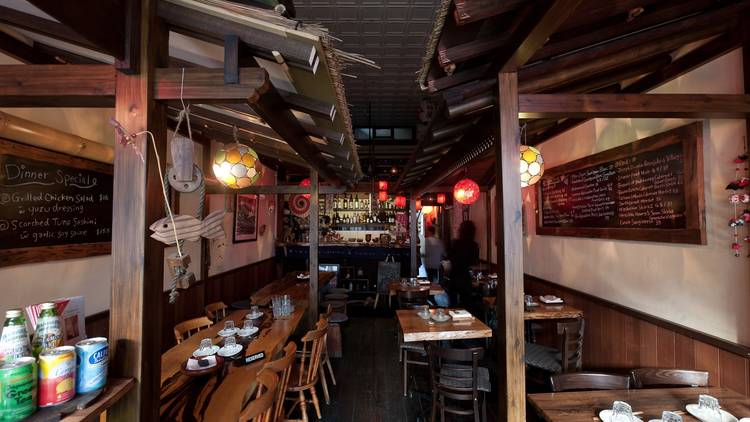
For evening immersion, Wabi Sabi Salon at 94 Smith Street, Collingwood, serves imaginative Japanese cuisine in a deeply atmospheric setting. The experience is designed to be fully immersive, featuring traditional hangings, intricate wood walls, and a secluded teahouse-style dining area where guests remove their shoes, mirroring the focus and ritual of a traditional Japanese service. This merging of Collingwood’s artistic eccentricity with traditional Japanese aesthetics offers a rich sensory escape that perfectly embodies the spirit of Wabi Sabi in a vibrant social setting.
The Quiet Art of Japanese Design: Minimalism and Imperfection
The success of the Collingwood hub is also sustained by its commitment to visual integrity. Japanese design, exemplified by principles like Kanso (simplicity) and Fukinsei (asymmetry), offers a vital blueprint for modern branding. The experience is designed to be fully immersive, featuring traditional hangings, intricate wood walls, and a secluded teahouse-style dining area where guests remove their shoes, mirroring the focus and ritual of a traditional Japanese service. The imaginative menu focuses on simple, elevated flavour combinations like sukiyaki-style wagyu beef meatballs with mozzarella and a large, curated selection of sake.. This merging of Collingwood’s artistic eccentricity with traditional Japanese aesthetics offers a rich sensory escape that perfectly embodies the spirit of Wabi Sabi in a vibrant social setting.
The Strategic Blueprint for Slow Living
The Japanese worldview often links dedicated craft and simple living to a sense of purpose, or Ikigai (a reason for being). Collingwood’s hub strategically supports this pursuit of mindfulness by providing a curated anti-thesis to digital chaos. By creating spaces that encourage slowness and focused attention, these businesses are not just serving food or selling products; they are selling a strategic escape from the hyper-speed consumption model. This strategic blueprint offers a compelling reason for consumers to engage: the promise of simplicity and focused attention, which generates powerful, organic word-of-mouth marketing.
The Visitor’s Guide to the Collingwood Experience
This hub is designed to be experienced mindfully, over several hours. To embrace the slow-living philosophy, try these tips:
Plan the Day: Begin with the renowned Japanese breakfast at Cibi. Spend the mid-morning browsing the curated goods at Osara, appreciating the fine craftsmanship.
Embrace Slowness: Avoid checking your phone while dining. Focus on the simplicity of the food and the intentionality of the design, practising presence and gratitude.
End with Purpose: Gather ingredients at Hinoki Pantry and browse Wabi Sabi Salon for an inspired evening meal to recreate the authentic flavours at home.
Why Cultural Identity is the Ultimate Brand Strategy
the Inner North demonstrates that authenticity is the highest currency in the lifestyle economy. The enduring success of businesses like Cibi and Osara is not accidental; it is the direct result of a dedicated, consistent, and strategic application of deeply-rooted cultural values. By offering consumers a cohesive, immersive experience built on the philosophy of Wabi Sabi, a beautiful, intentional counterpoint to mass-produced consumerism, Inner North’sJapanese hub provides a potent blueprint for any small business seeking to build loyalty and enduring brand value in a chaotic digital world.


Author Bio
I’m a proud half-Japanese Melburnian, and I bring my passion for authentic Japanese culture and cuisine to every story I write. With a background rooted in content strategy and a dedication to celebrating our amazing local businesses, I specialise in deep dives that connect you, the reader, to the heart and flavour of Melbourne’s unique food scene.