Forget Global Runways, Melbourne is Crafting its Own
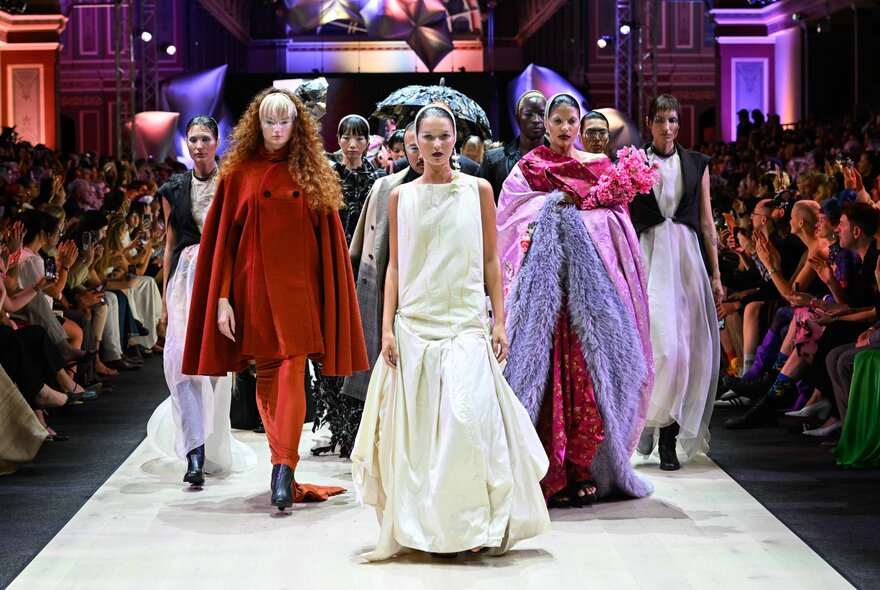
Coco Chanel designed her way out of France, Yves Saint Laurent let the world know what Paris fashion was, but the next prominent fashion designers won’t be from France or Paris; they will be designing in small Melbourne studios. The Melbourne Fashion Festival turns 30 next year; its growth wasn’t built on the most famous designers or the most prominent brands, but on fostering a community around smaller, independent artists. The ones who don’t follow the trend of design, but who start the trend in what we wear, shop and express our individualism. In 1996, the first set of small designers, stitching away in their homes, were placed at the centre of the stage. Now, 30 years later, the Fashion Festival follows its roots, sharing the creative minds of the small creators.
You don’t need to be a Red Carpet Guest or a Global Fashion Executive to enter the runway. For three decades, the Fashion Festival has provided entry to all in the community; the red velvet rope is open for you. So, while you’re reading this and wondering what Melbourne fashion will look like in the next 5, 10 years, why don’t you see it a decade before everyone else? This year, in 2026, independent designing is the headline, the secrets out of Melbourne.
The Festival at 30: How Melbourne Built a Culture of Independent Fashion
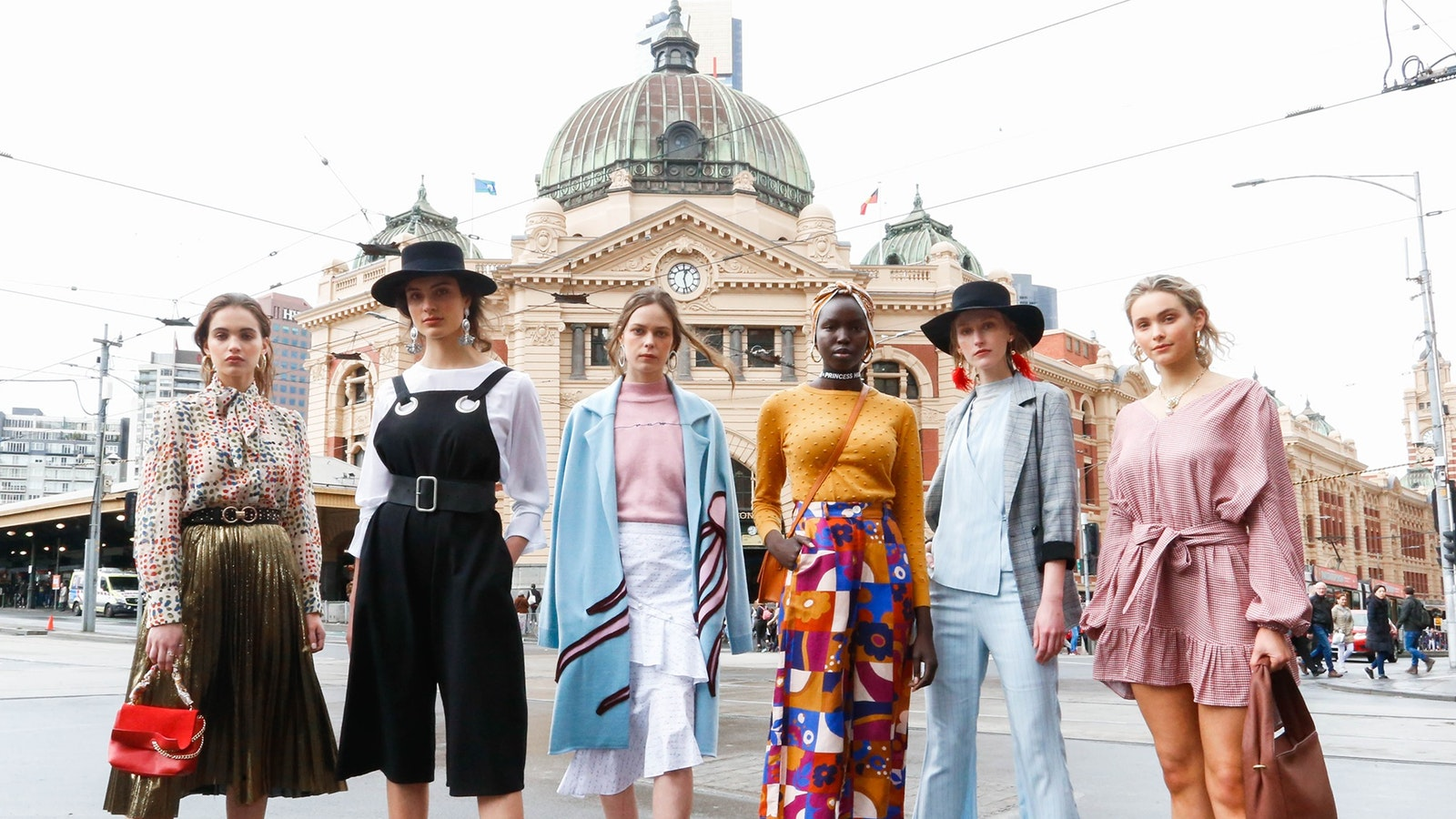
Melbourne Fashion Festival started in 1996, but unlike other festivals, it didn’t try to capitalise on French or New York fashion culture. But it is grounded in roots in what was true and considered familiar to many. The Fashion Festival ditched the expensive, overpriced tickets, the red velvet rope that only a few could open, and oversaturated trends. Instead, the early years were defined by community, not exclusivity, by the sophistication of the Collins Street shopping precinct, by the Greek communities’ insights into leather craftsmanship, and by Italian tailoring expertise. Melbourne’s multiculturalism created an event defined by its diversity and experimentation of cultural ideas, symbols and nods to heritage.
Now, 30 years later, the identity remains grounded; nothing has changed. If anything, fashion has sharpened, the culture has evolved, and the community is bigger than ever. You don’t think so? See it, take your friends with you. This year’s theme followed ‘Fashion as a Spectator Sport,’ paying respects to Melbourne heritage. Style has always belonged to the community, the crowd, the audience, and the trends grow in the streets of Fitzroy, the sweat and the studios of designers. The culture turned the focus away from Europe, and the spotlight is on Melbourne.
Grassroots to Runway: Why Independent Designers Matter Now
From Local Makers to Global Influence
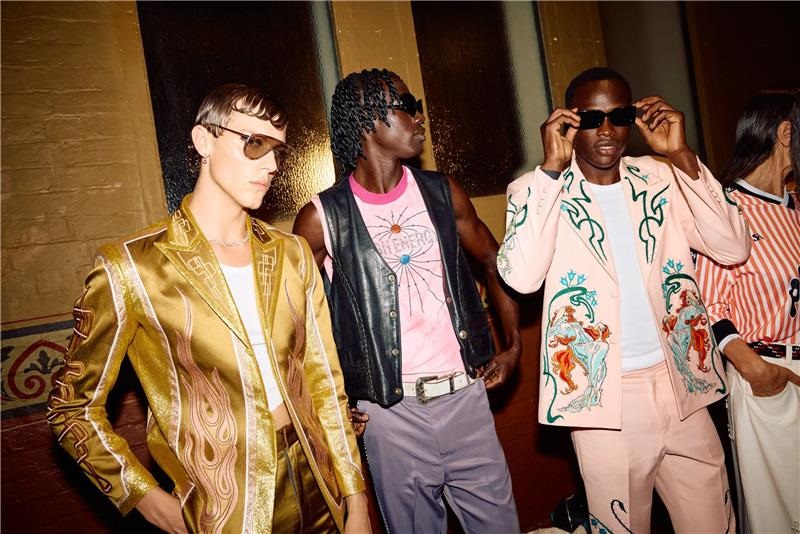
In a culture forever evolving, Gen Z is slowly chipping away at past trends and fast fashion. With the world overwhelmed by social media trends like the 3-3-3 Shein rule or the affordability of BooHooMan, Australian artists are steering the trend in the opposite direction. Gen Z has identified sustainability as the driving force behind the trend of ‘Slow Fashion.’ Unlike fast fashion, an oversaturated business model, slow fashion is a philosophy followed by independent designers, where their garments are an expression of individualism; these pieces are not thrown away, but garnished.
Fashion as Culture, Not Clothing
This year, Melbourne responds to the overwhelming backlash and the trend wave. Next time you purchase a garment, consider whether you’re buying the garment or the values behind it. Melbourne Fashion Festival places the creators who are outclassing large fast fashion tyrants at the centre stage, creators whose garments tell a story of the hands that made it
Must Watch Runways
- When: Tuesday, 24th February 2026, 7:00 pm.
- Where: Royal Exhibition Building, Carlton.
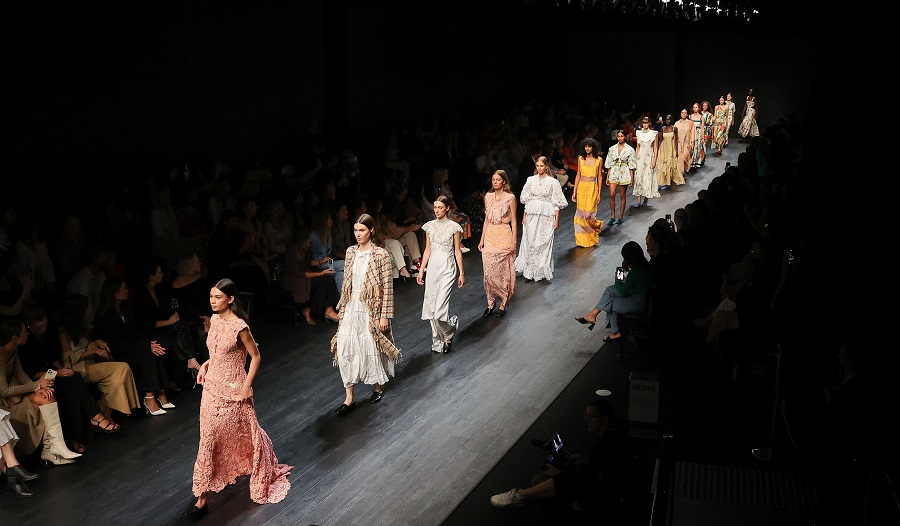
If you’re looking for the next principal Australian Designer, then this is the runway for you. Watch them pull the spotlight towards their art. Several past participants are now emerging tyrants in the industry; Amy Lawerence, Alemais, Hyph-n by Saskia Baur-Schmid, sound familiar? Curious how labels overcome risks, environmental damage, and wasteful production? This is the one for you. By the end of the runway, you will be able to launch your own label without the risks, and you might even win next year.
- When: Saturday, 28th February 2026, 7:00 pm.
- Where: Royal Exhibition Building, Carlton.
Sustainability isn’t about craftsmanship or handicraft, but about recycling. This runway shows fashion’s future is about constant innovation, rather than recycling and transformation. Expect recycled innovation from labels like Good Studios, Autark, Henne, and Mastani, proving that transformation doesn’t interrupt luxury. Watch as designers transform garments into art, pieces into pictures, creativity into consumption. Want to know how slow fashion can be bold and mesmerising? This show will show you how second-hand is the first choice.
- When: Thursday, 26 February 2026, 8:30 pm. Where: Royal Exhibition Building, Carlton.
- Where: Royal Exhibition Building, Carlton.
Fashion isn’t just about one piece of art; consider it a puzzle of layering. Don’t know how to piece together a layering puzzle? Watch designers such as Mia Sully, Chris Ran Lin, and Verner piece together luxury textiles. At the end, you might become a stylist. The runway is a reflection of how Australians dress, in a nutshell, practical, expressive and bold. Ideal for anyone looking to have a style that goes beyond the traditional runway.
- When: Monday, 23rd February 2026, 6:45 pm
- Where: Federation Square, Melbourne CBD.
Joywear bends the rules, forget minimalism as simplicity, Joywear is maximalism, crafting garments around happiness. Colours reflect emotion, silhouettes break boundaries, and embellishment is the personality. Look out for dopamine-driven collections by Georgia Alice and Emily Watson, whose pieces turn colour into personality—tired of the black & white? Embrace the colour, the noise, the joy. The laughs are loud at the Joywear Runway. Listen to the laughter.
- When: Monday, 23rd February 2026, 8:30 pm.
- Where: Royal Exhibition Building, Carlton.
Melbourne in the 80s adopted ‘all black’ outfits; in 2026, the tradition is back, darkness is elegance. The Noir runway talks through its sculpted silhouettes and shadowy contrasts; you don’t need colour to be seen. This runway draws a fine line between minimalism and atmosphere. Noir turns texture into atmosphere, darkness into direction. Black is back, watch the 80s comeback in the 20th century, this time with intention.
6. Beyond Blak
- When: Wednesday, 25th February 2026, 7:00 pm.
- Where: Royal Exhibition Building, Carlton.
- When: Thursday, 24th February 2026, 8:30 pm.
- Where: Royal Exhibition Building, Carlton.
Australia’s future makes its debut. Watch the top 10 emerging creators experiment with fashion principles, break boundaries, and graduates experiment with elements that brands cannot interfere with. This runway gathers experimental engineers from RMIT, Collarts, Holmesglen and Whitehouse Institute, and more, all on one runway. Watch the artworks, collections from Melbourne’s best and brightest, break the boundaries.
- When: Saturday, 28th February 2026, 8:30 pm.
- Where: Royal Exhibition Building, Carlton.
The runway concludes with the spotlight on independent designers, but this time the fashion becomes a theatrical play, a performance art. What makes something wearable? This runway show redefines what we can wear. Designs pushing innovation from Grace Lillian Lee, Jenny Bannister and more will make you want to wear more than just the moment. The concept shifts away from trends and towards statements and theatre. Avant Garde reminds Australia, reminds the industry that fashion is unpredictable, expect everything and nothing. This runway will leave you asking why we choose what we wear, why we wear anything at all.
Beyond the Catwalk: Studio-Made & Community-Focused Labels
Designers Working Within Local Communities
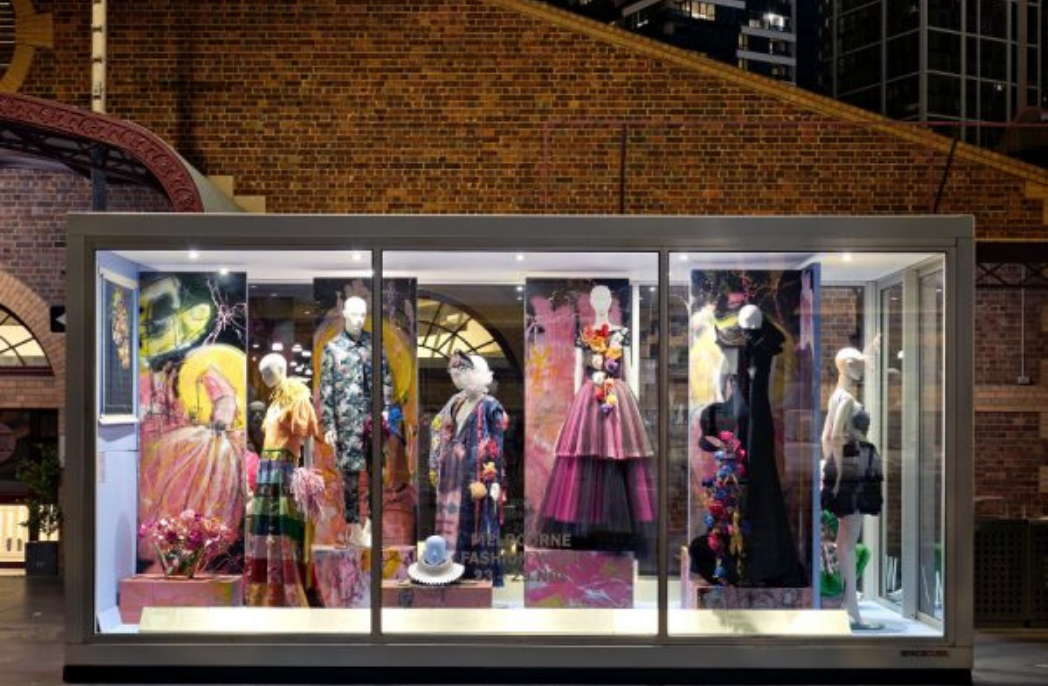
Melbourne Fashion Festival is a one-time event, but the influence doesn’t stop when the runway lights fade; it’s every lasting ripple in the community. Past participants of the National Designer Award x David Jones went on to rebuild Australian fashion through individualism and creative capacity. The participants, a First Nations Designer, Nagli, a brand founded by Denni Francisco, showed the memories running through the threads of the garments. Ngali turned garments into tales of the Country, identity, and resilience. The Runway gave birth to labels of ‘Romance Was Born’ and ‘Toni Maticevski,’ designing garments as if they were a theatrical play.
Most recently, in the past year, Amy Lawrence proved that handmade garments, with 20-30 hours of craftsmanship, were the future of fashion statements. Pieces that express individual measurements and expressions are now on the rise. Amy Lawrence started the trend.
These designers didn’t have the largest studio, the most effective marketing, or access to the community. Instead, these designers followed a philosophy which prioritised sustainability over scale, individualism over saturation, community over cult.
Where the Public Can Participate: Events That Champion Small Designers
Runways, Pop-Up, Workshops & More
Now you’re reading this, understanding Melbourne fashion through the eras, but still curious, “How can I support these independent designers?” Don’t worry, here is the rundown.
Each event, runway, and screening is accessible to the community; you don’t need to be a Paris fashion icon. But you do need a ticket to attend all these events. But you’re asking for something more, something hands-on to identify yourself as a part of the community. The festival offers workshops, open studios, several pop ups and more, go interact and meet the designers instead of watching them, learn the creative process, understand the perfection in the imperfections. These events are your gateway into this forever-evolving vulture. Just don’t spectate; participate.
At the fashion festival, the community doesn’t just watch the event unfold; they also help sustain and grow Australian fashion.
How to Support Independent Designers at MFF 2026
The support starts with the second the runway lights shine, but continues after dimming down. Engagement begins with choice. If you find your new favourite designers, don’t wait until they enter the retail market; several garments are sold at pop-up stalls. Put your money directly in their pockets, don’t let it get filtered. Not looking to invest in garments? Repost, share the collections, tag them on social media, and bring their craft to the outer community.
Support isn’t just about the runway; it was created in 1996 by the community to differentiate itself. Buying a single garment from designers like Mastani, Ngali, or Lois Hazel supports a studio directly, not an industry pipeline. The social media tags, shout-outs, and community awareness propel independent designers to stages bigger than Melbourne.
A City Built by Makers not Brands
Melbourne revealed the truth about fashion, it is not something you attend to, it is not about the glossy magazines or the red carpet rolling down. Forget the luxury stores, the more I explored Melbourne I realised the culture grows in studio apartments, the leaves spread into market stalls, and worktables piled up with fabric scrap. Melbourne never taught me how to dress; Melbourne taught me how to value the creators behind the garments.
Spectate the 2026 Fashion Festival
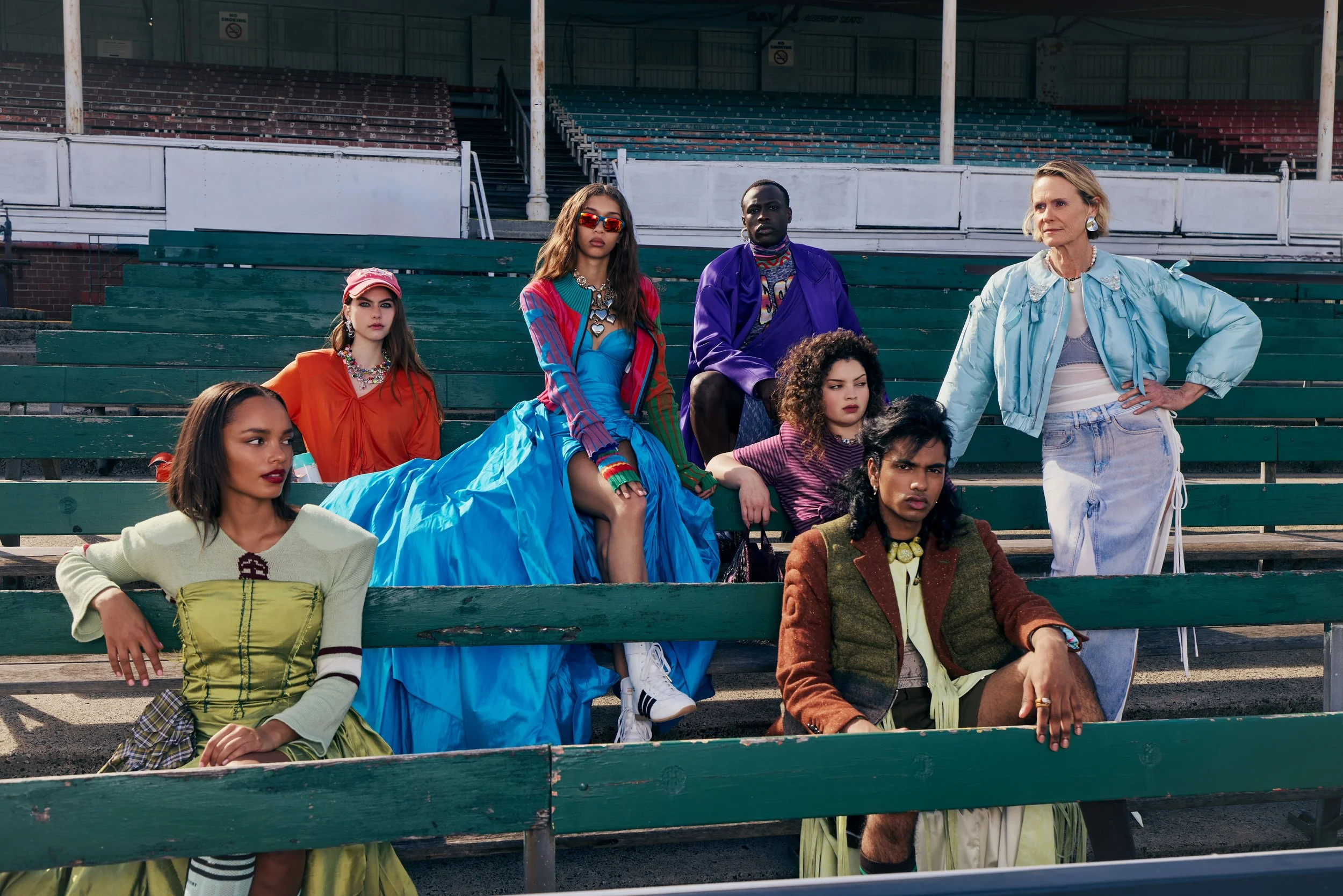
The last 30 years have seen Melbourne battling with Milan, Paris and New York. But it is clear, Australian style won’t be dictated by global trends or fast fashion. Australian fashion is curated by its community, and independent designers in those studio apartments and lounge room lofts are turning garments into stories.
The past 3 decades placed Australian fashion at the forefront; the next 3 decades will be about cultivating a community beyond our neighbouring streets. Get a sneak peek, book a seat, and experience the culture of the next 30 years of Australian and global fashion at Melbourne Fashion Festival.
FAQ
Is Melbourne Fashion Week open to the public?
Melbourne Fashion Week is open to the public, featuring runway shows, workshops, markets, and pop-ups. Anyone with a valid ticket can attend industry events.
How do I discover featured designers at the Fashion Festival?
You can discover featured designers through the Festivals webpage, under subsections of ‘National Designer Award showcases’ and ‘Independent Programme Runways.’
What makes independent designers different from major fashion brands?
Independent designers place greater focus on garments, often producing in small batches using handcrafted techniques. Major fashion brands often produce large quantities with less emphasis on creativity and craftsmanship, focusing on trend cycles rather than intention.
Where are the main MFF 2026 runways held?
Several of the main events are conducted at the Royal Exhibition Building in Carlton; other events are scattered throughout Melbourne, remaining accessible to all. Venues include CBD galleries, shopping centres, and other outdoor venues. Visit the official website for specific locations for each event.
Disclaimer: All opinions and mentions within this article are independent and original words by the author, Dhruv Mehra. Images are from the Melbourne Fashion Festival website.