
Your clients don’t always know what they want. But they know what they’re feeling. They’re feeling the pinch of smaller spaces and bigger expectations. They’re asking — sometimes awkwardly, sometimes with real urgency — about sustainability, about identity, about what Australian design actually means right now. They’re absorbing ideas from the culture around them and arriving at your studio with half-formed briefs that are really full-formed anxieties.
Melbourne Design Week
Melbourne Design Week 2026 is where those anxieties are being turned into conversations. 11 days, 400-plus events, and a program that reads less like a festival schedule and more like a live brief for the state of the industry. The practitioners presenting this year aren’t recapping what’s already been decided. They’re working it out in real time — and the room is open.
Whether you’re an interior architect, a furniture maker, a graphic designer, or a graduate designer three months into your first studio role, this is the week that earns its place in your calendar. Here’s what’s in it for your discipline specifically.
What Is the Melbourne Design Week 2026 Theme?
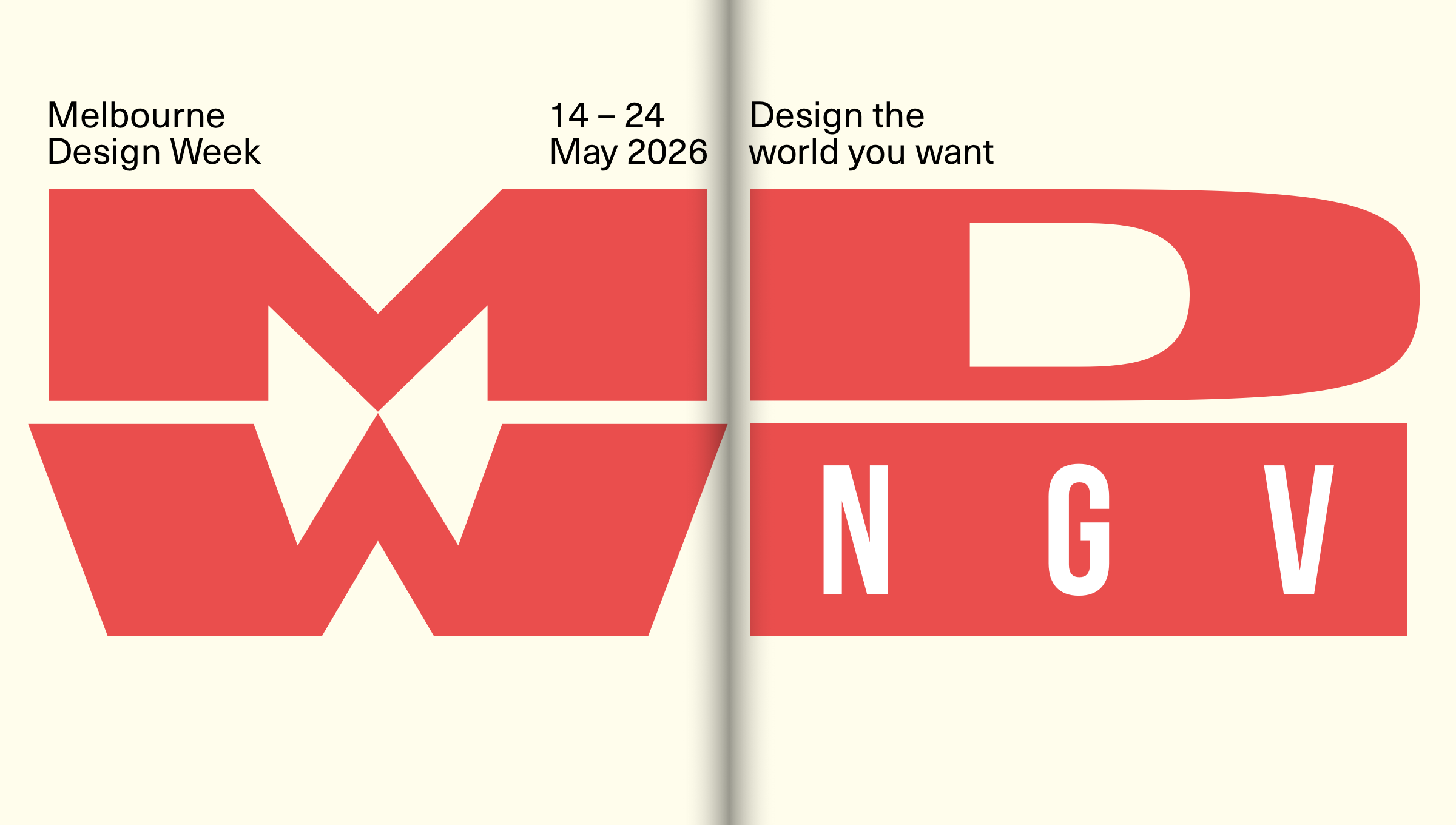
MDW 2026 runs on a single call to action: Design the world you want. But the program beneath that line is more specific than it sounds.
This year the festival turns ten — and the themes it’s chosen to mark that milestone are not celebratory in a backward-looking sense. They’re genuinely interrogative. Compact living. First Nations design methodology. The human-machine boundary. Repair as creative philosophy. The merging of hospitality and spatial design. Climate-responsive making.
These are not emerging trends being flagged for the first time. They are the questions every design practitioner is already wrestling with — in studios, in client conversations, in award submissions — and MDW 2026 is the moment the whole sector sits in the same room to work through them together. For designers at every level and across every discipline, that is not a passive experience. It is a professional advantage.
For Interior Designers, Architects and Spatial Practitioners
If your work involves designing a place — a room, a building, a precinct, a landscape — MDW 2026 has built a program around the questions your clients are already asking. These are the events that speak directly to built environment practice.
Sat 16 May, 2–3pm, Melbourne School of Design, Parkville

Design is never neutral. It carries the imprint of culture, memory, and values — and in Australia, the foundations of design extend far beyond the colonial narrative into deep time, where land, sea, and sky were understood as interconnected living systems.
In this lecture at Melbourne School of Design, Alison Page — descendant of the Dharawal and Yuin people, award-winning creative, and 2026 Robert Garland Treseder Fellow at the University of Melbourne — explores BLAK as a powerful reassertion of Indigenous identity and creative sovereignty within contemporary practice. Page introduces Designing with Country, a transformative placemaking movement that re-centres design within the wisdom of Country, inviting architects, urban designers, and spatial practitioners to engage with place as a living system rather than an empty site. Through built and conceptual projects, Page demonstrates how embracing Indigenous knowledge systems offers a necessary framework for defining a truly Australian design language. For architects, urban designers, landscape architects, interior architects, and spatial designers working on place-based projects — this is the most important hour of MDW 2026.
Tue 19 May, 6.30pm, NGV International
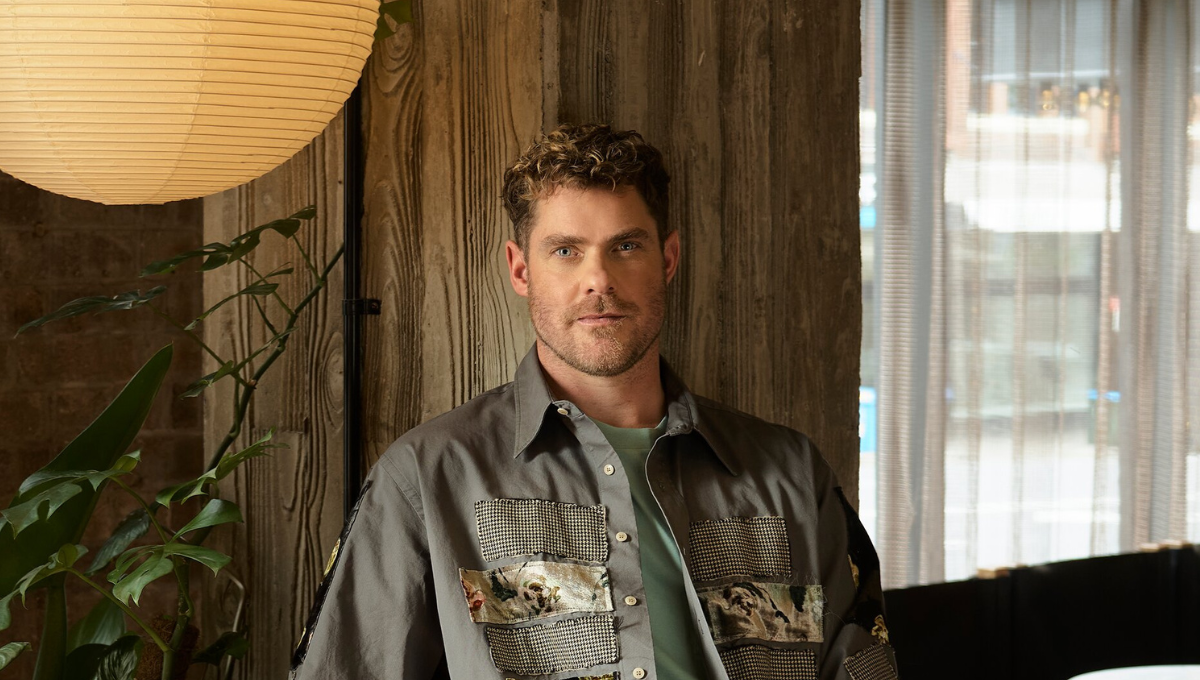
For interior designers and interior architects, this is the one-night-only conversation worth protecting in the diary. David Flack, founder of Flack Studio and one of Australia’s most internationally recognised interior architects, reflects on his craft, career, and the projects that have shaped his thinking — the ones built around emotion, history, and the kind of material richness that takes years to learn how to use well. This isn’t a retrospective. It’s a candid look at how a distinctive interior design practice is built — and sustained — in a market that rewards novelty over conviction. For residential designers and interior architects who are working out what their own point of view actually is, this conversation is the one to be at.
Sat 23 May, 11am–3pm, NGV International
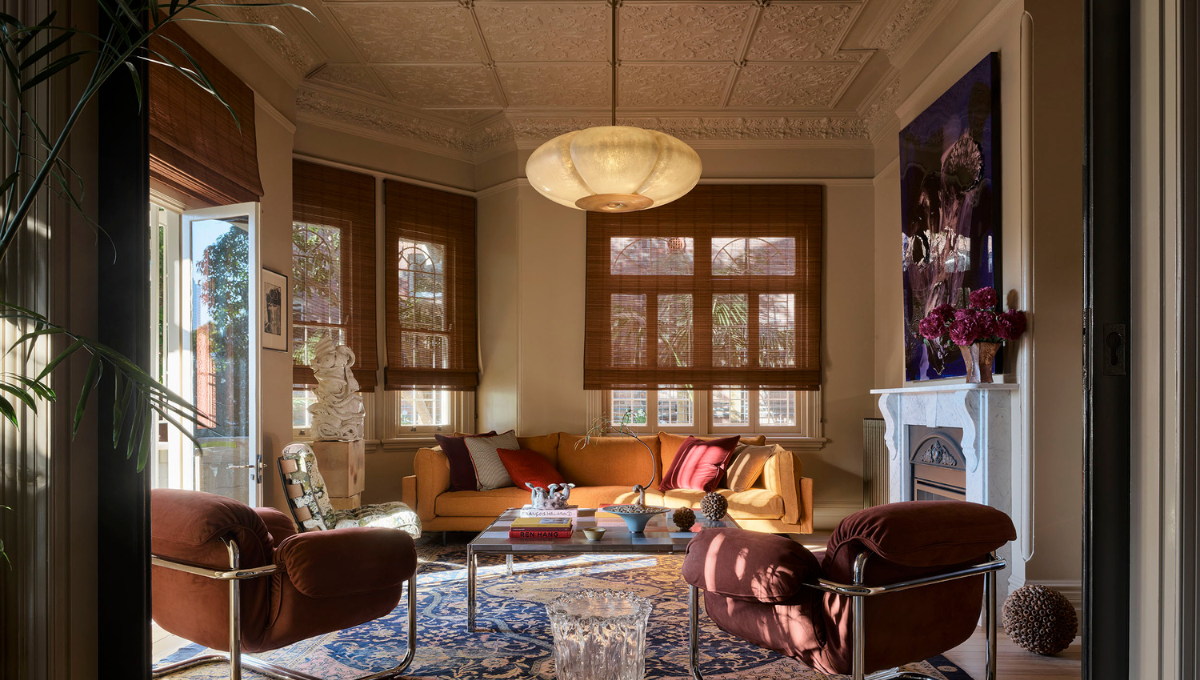
MDW closes its second weekend with a full day dedicated to the interior design discipline. Interior Design Todayconvenes leading interior designers and architects in the NGV Great Hall to unpack what’s shaping contemporary Australian design — from bold ideas to distinctive aesthetics, from residential to commercial contexts.
For interior designers, interior architects, residential designers, and commercial interior designers, this is the one day of the year where the whole discipline is in the same building. Plan to stay for the full program.
For interior designers and residential designers, this is required viewing — not just for the quality of the work, but for what the finalists’ responses to the brief reveal about where compact living design is heading. The question the AFDA is asking — how do you design for a life that is full without being large — is the same question your next five clients are going to walk in with.
14–24 May, MDW Hub
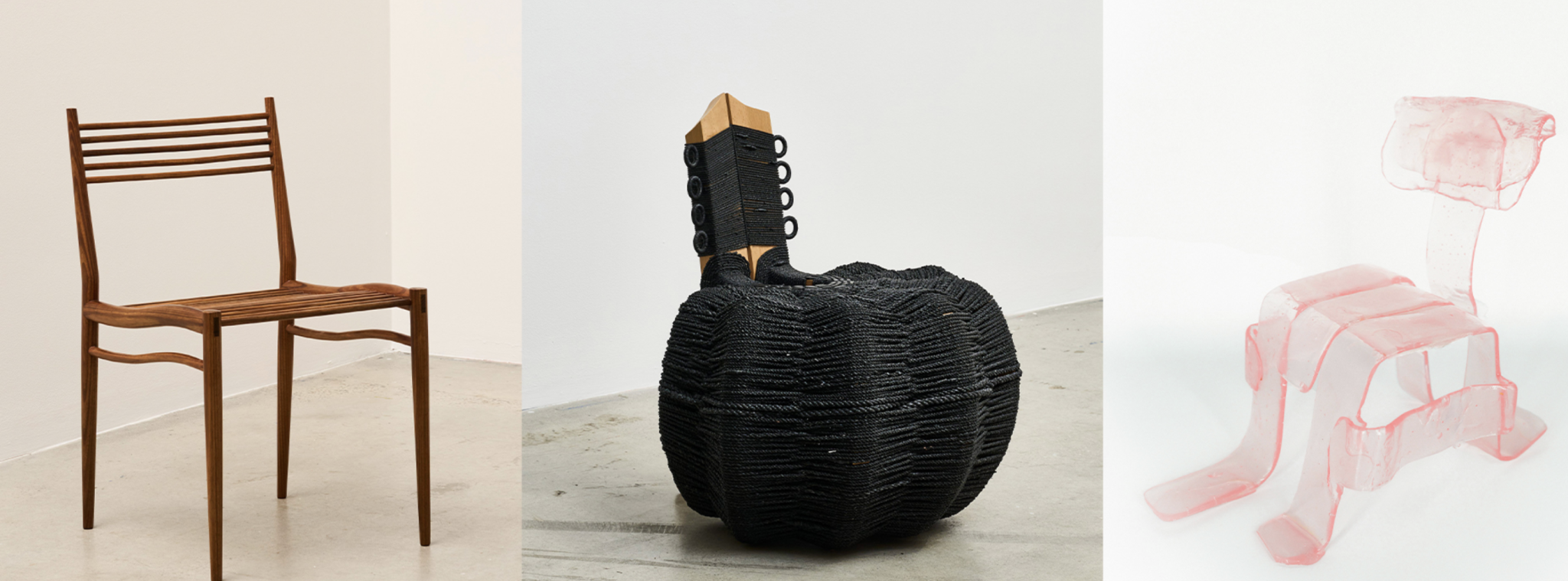
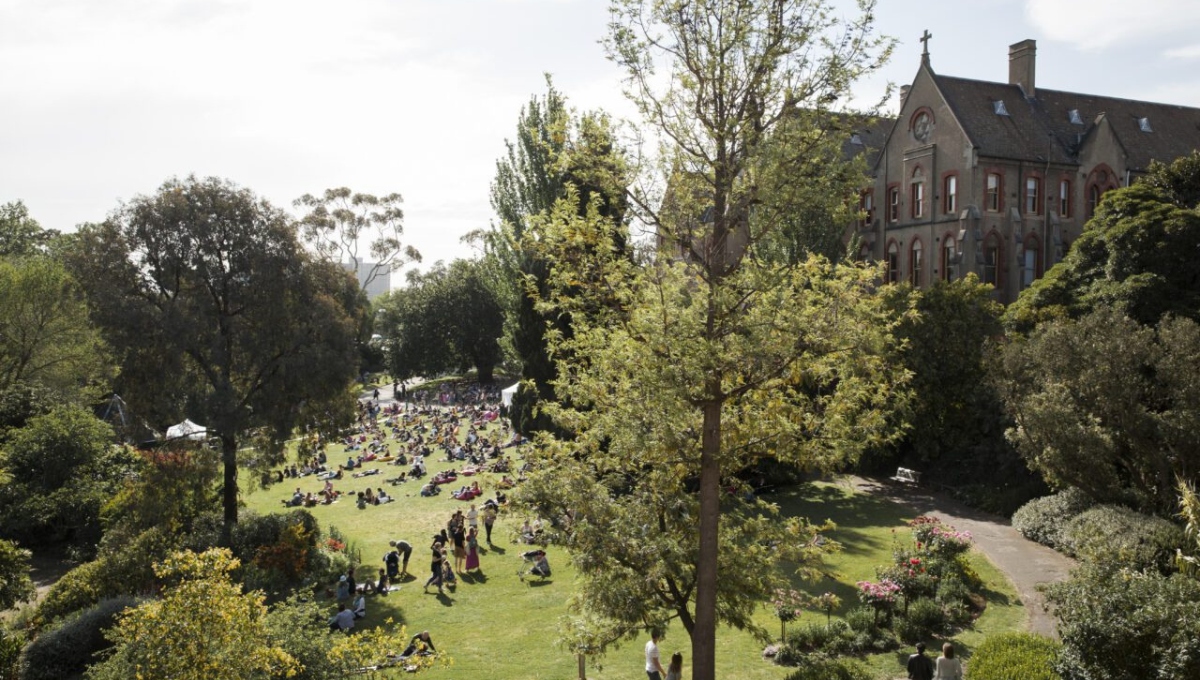
Running across all 11 days at the MDW hub inside Abbotsford Convent, 100 Chairs showcases work by over 100 Australian creatives, studios, artists, architects, and practices — each exploring the chair as a design medium. For interior designers who specify furniture as a core part of their practice, this is the most concentrated survey of Australian design thinking available anywhere this year. One object. One hundred interpretations. Bring questions from your current projects and let the work answer them.
For Industrial Designers, Product Designers, Furniture Makers and Craftspeople
If your work involves making objects — designing how something is produced, used, held, worn, or repaired — MDW 2026 has two events that go to the heart of where object-making is heading, and one exhibition that asks the hardest question in the discipline right now.
— Fri 15 May, 5.30–7pm, National Communication Museum, 375 Burwood Rd Hawthorn
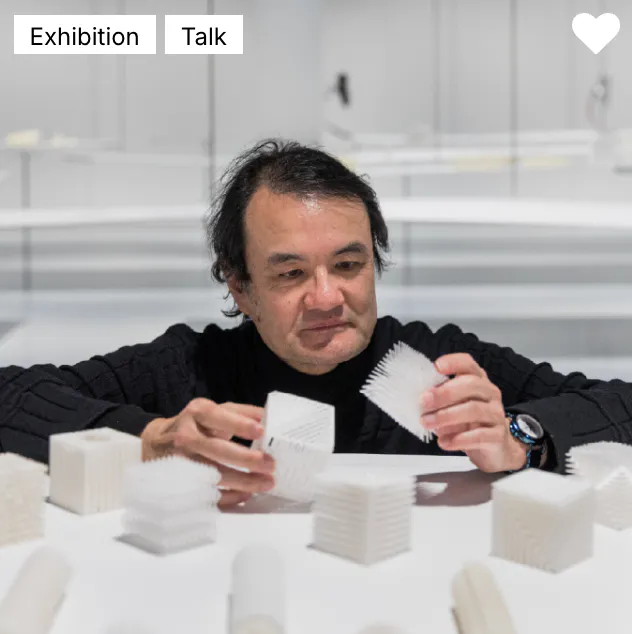
Professor Shunji Yamanaka is one of Japan’s most respected designers — an engineer and creative thinker whose work spans robotics, advanced communication technologies, and wearable prosthetics. In this keynote at the National Communication Museum, Yamanaka explores the importance of interdisciplinary and collaborative processes, and considers how robotics can serve design and human sociality — not just engineering.
His JIZAI ARMS project, currently on display in the NCM’s FRIEND exhibition, develops wearable robotic limbs that integrate with human movement — with implications for personal robotics and human-computer interaction that reach well beyond the medical sector and into the territory every product designer and industrial designer is going to be navigating within a decade.
Doors open at 5.30pm for after-hours viewing of FRIEND in its final week. The keynote runs 6–7pm, with a Japanese–English translator in attendance. For industrial designers and product designers who want to understand where the boundary between body and object is moving — this is the session to build your week around.
Wed 20 May, 6.30pm, NGV International
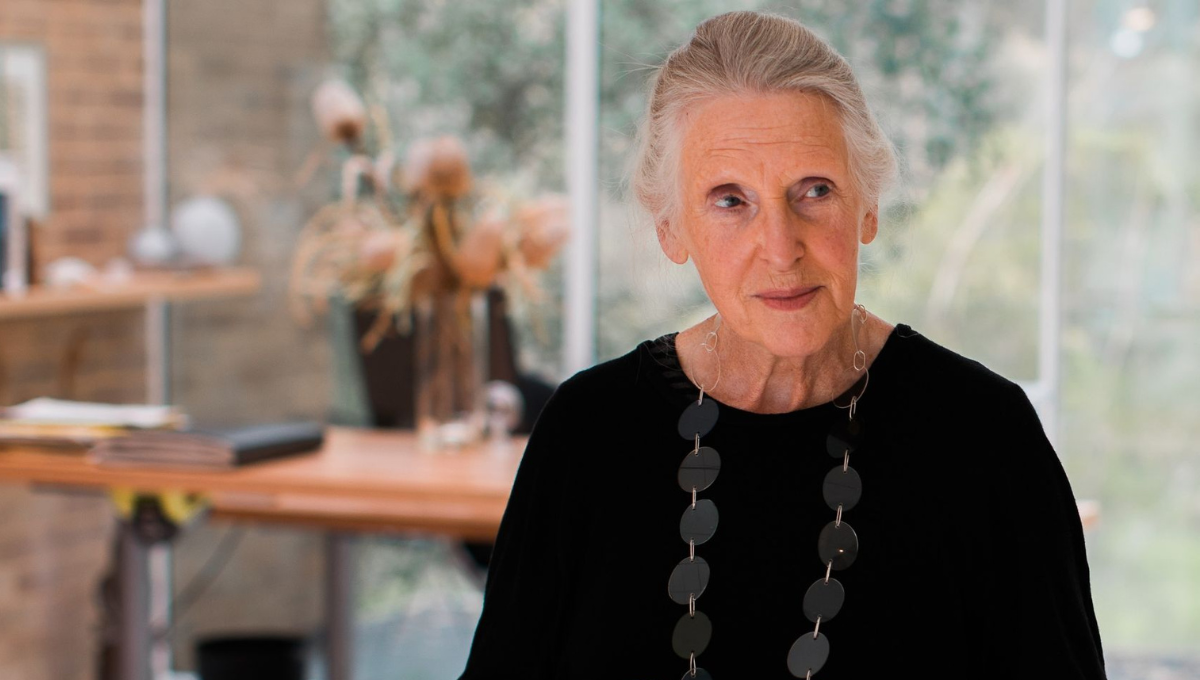
The following evening at NGV International, acclaimed Australian designer Mary Featherston AM joins TV presenter and Professor of Architecture Anthony Burke for an after-hours conversation on Wednesday 20 May.
Featherston’s legacy is rooted in furniture and object design — most recognised through the Featherston Chair, but built across decades of practice that placed human experience at the centre of every design decision long before human-centred design became a framework. For furniture designers, industrial designers, and design educators who want to understand what a practice built on genuine conviction looks like across a lifetime — this is a rare and intimate evening that doesn’t come around often.
Australian Furniture Design Award
Announced Wed 13 May, Stylecraft Collins Street
For furniture designers and object designers, the AFDA is the most directly relevant event in the MDW calendar. The finalists’ works — all responding to the theme Living Well, Living Small — are exhibited at Stylecraft’s Collins Street showroom ahead of the $20,000 prize announcement on 13 May. This is the benchmark for where Australian furniture design sits right now. If you make objects for a living, you need to see this work before the winner is announced.
For Graphic Designers, Communication Designers and Visual Practitioners
If your work lives in the space between language and image — on the page, the screen, the poster, the publication — MDW 2026 has one program that is built entirely around your discipline, and one lecture that speaks directly to the question of what Australian visual identity actually means.
14–24 May, NGV International
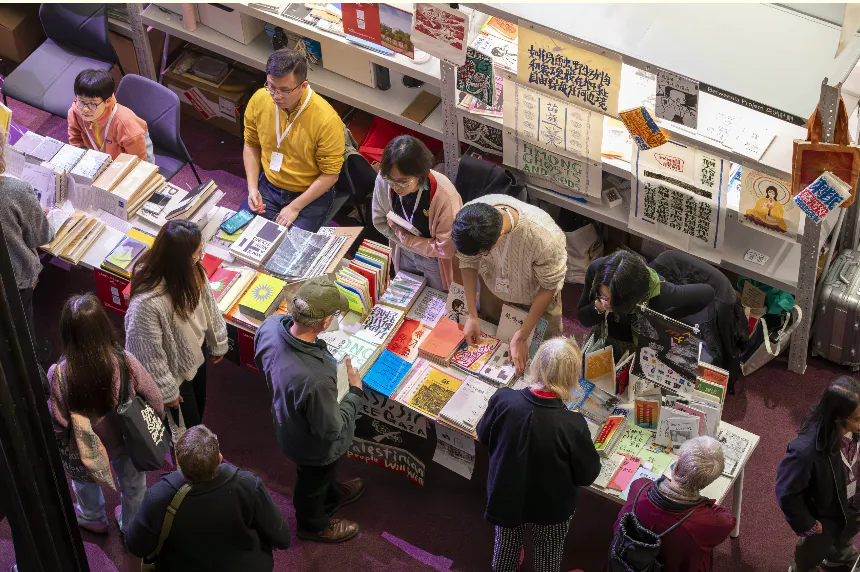
Stallholder Fair: Fri 15 – Sun 17 May
Now in its 12th year, the Melbourne Art Book Fair runs as its own program within MDW — and for graphic designers, communication designers, typography designers, brand designers, and print practitioners, it is the MDW highlight that matters most.
Across 11 days at NGV International, the Fair brings together local and international publishers, artists, and designers to foster exchange and a shared appreciation for printed matter in all its forms. The Stallholder Fair on 15–17 May is the centrepiece — transforming the Great Hall into a live marketplace of limited editions, design-led publishing, and independent print culture from Australia and across the globe.
This year’s program celebrates publishers and printing enthusiasts from Southeast Asia, Latin America, and the Australian Chinese diaspora — bringing voices into the room that the Australian design scene doesn’t see nearly enough. For communication designers and brand designers working out what a genuinely Australian visual language looks and feels like in 2026, this is the most useful research available.
15–17 May, NGV International
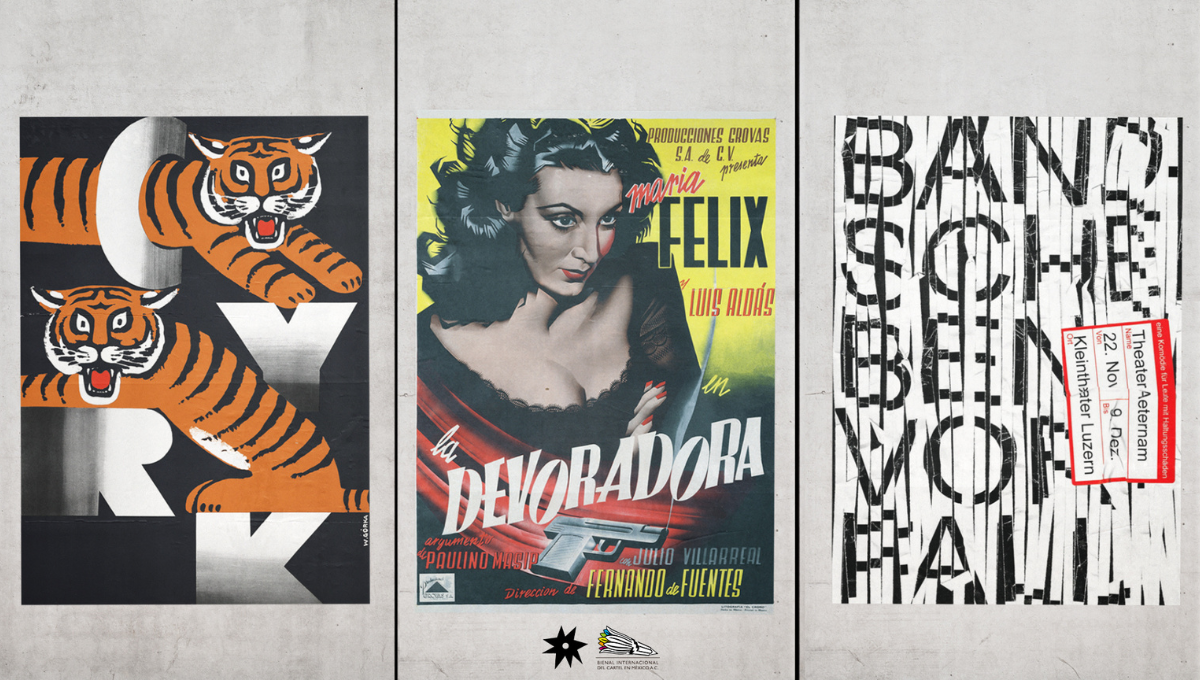
Running across the Stallholder Fair weekend, Posted Up pulls from the 70,000-strong archive of the Bienal Internacional Cartel Mexico — an exhibition of colourful, punchy poster work where type does all the talking, curated by creative collective N0 R3PLY. For typography designers and graphic designers, this is the kind of concentrated visual argument for the power of type-led communication that you can’t make in a brief or a mood board. See it, then take one home.
BLAK: Defining an Australian Future
Sat 16 May, 2–3pm, Melbourne School of Design, Parkville
For graphic designers and communication designers working on Australian identity, place-based branding, or cultural projects — this lecture by Alison Page is the one MDW event outside your immediate discipline that will directly affect how you think about your work.
Page’s exploration of BLAK as a reassertion of Indigenous creative sovereignty, and her introduction of Designing with Country as a framework for engaging with place as a living system, raises questions that sit at the heart of what Australian visual communication is and should be. What does it mean to design a visual language that belongs to this country? What knowledge systems are being centred — and which are being ignored? These are not abstract questions for graphic designers working in cultural, civic, or place-based contexts. They are live briefs.
How to Approach MDW 2026 as a Working Designer
With 400-plus events across 11 days, the risk is showing up to everything and absorbing nothing. A few principles for making the week professionally useful regardless of your discipline:
Start with your cluster, then go outside it. Use the discipline mapping above to anchor your week — then pick one event from a different cluster entirely. The Yamanaka keynote will teach an interior designer something a furniture fair never will. The Art Book Fair will show an industrial designer how visual language shapes the perception of objects. The friction between disciplines is where the useful thinking happens.
Book early for ticketed and capacity-limited events. The Yamanaka keynote is ticketed and will sell out. BLAK: Defining an Australian Future is free but requires booking. Interior Design Today and the David Flack conversation will fill fast. Don’t leave any of these until the week of. Full program and bookings at designweek.melbourne.
Treat the running exhibitions as thinking time, not sightseeing. 100 Chairs, Transformative Repair, and the Art Book Fair Stallholder exhibitions are not passive viewing. Bring a question from your current project and let the work answer it.
Go with someone from a different discipline. The most productive MDW conversations happen between practitioners who don’t share a vocabulary. Bring the furniture designer to the graphic design exhibition. Bring the architect to the product design keynote. Bring the communication designer to the interior architecture conversation. The point of MDW is not to confirm what you already know — it’s to find out what you don’t.
FAQs
Is Melbourne Design Week 2026 free to attend?
The majority of events are free. Some sessions are ticketed — including the Yamanaka keynote on 15 May. Free events including BLAK: Defining an Australian Future require booking due to capacity. Check MDW website for individual event details and pricing.
Which MDW 2026 events require early booking?
The Yamanaka keynote (ticketed, Fri 15 May), BLAK: Defining an Australian Future (free, booking required, Sat 16 May), David Flack in Conversation (Tue 19 May), and Interior Design Today at NGV (Sat 23 May) are all capacity-limited.
Which venues are involved in MDW 2026?
Key venues include NGV International, Melbourne School of Design in Parkville, the National Communication Museum in Hawthorn, Abbotsford Convent, Stylecraft Collins Street, and studios, galleries, retail spaces, and public spaces across metropolitan Melbourne and regional Victoria.
What is the Melbourne Design Week 2026 theme?
Design the world you want. The 2026 program builds on this theme by inviting practitioners and audiences to consider not just how we design the world we want today, but the legacy we leave for tomorrow.
Disclaimer: Opinions are our own. All images are from the respective venue’s official websites.