Summer in Melbourne arrives with its usual rhythm of beaches, markets and warm nights, but one experience people often overlook is stargazing in Melbourne. It’s quiet, unexpected and offers a depth most summer activities don’t.

Stargazing in Melbourne Offers
I wasn’t looking for stargazing when I moved to Melbourne. It wasn’t on any list of things to do, and it certainly wasn’t something I associated with a modern, light-filled city. But the first time I found myself parked by a quiet stretch of road under a sky that felt unexpectedly open, something familiar returned a feeling I hadn’t realised I was missing.
I grew up in India, where some of my earliest memories involve lying on my grandparents’ terrace with my cousins during the summer holidays. No street lamps, no city noise, just warm nights and the kind of star-filled sky that children believe belongs only to them. Those nights were slow in the best way. They shaped the way I understood comfort, connection, and the feeling of being small in a world that was still unfolding.
Melbourne, without ever trying to replicate that, brought back that sense of stillness.
And over time, stargazing became one of my most grounding summer rituals the kind that doesn’t ask you to plan anything at all.
If you’ve never tried stargazing in Melbourne, summer is the best time. and there are many spots ideal for Melbourne stargazing, even within an hour of the city.
Dandenong Ranges A Quiet Sky Close to the City
The Dandenong Ranges offer a completely different version of Melbourne after dark. Only 45 minutes from the CBD, the air cools quickly, the scent of eucalyptus deepens, and the sky widens between tall silhouettes of mountain ash.
There’s a softness here that makes the night feel slower. Pick any quiet lookout, turn off the car lights, and let your eyes adjust. The stars reveal themselves patiently, one layer at a time. It feels close enough to the city to be spontaneous, but far enough to feel like you’ve stepped into a different world.
Sometimes you don’t need distance to feel removed just silence.
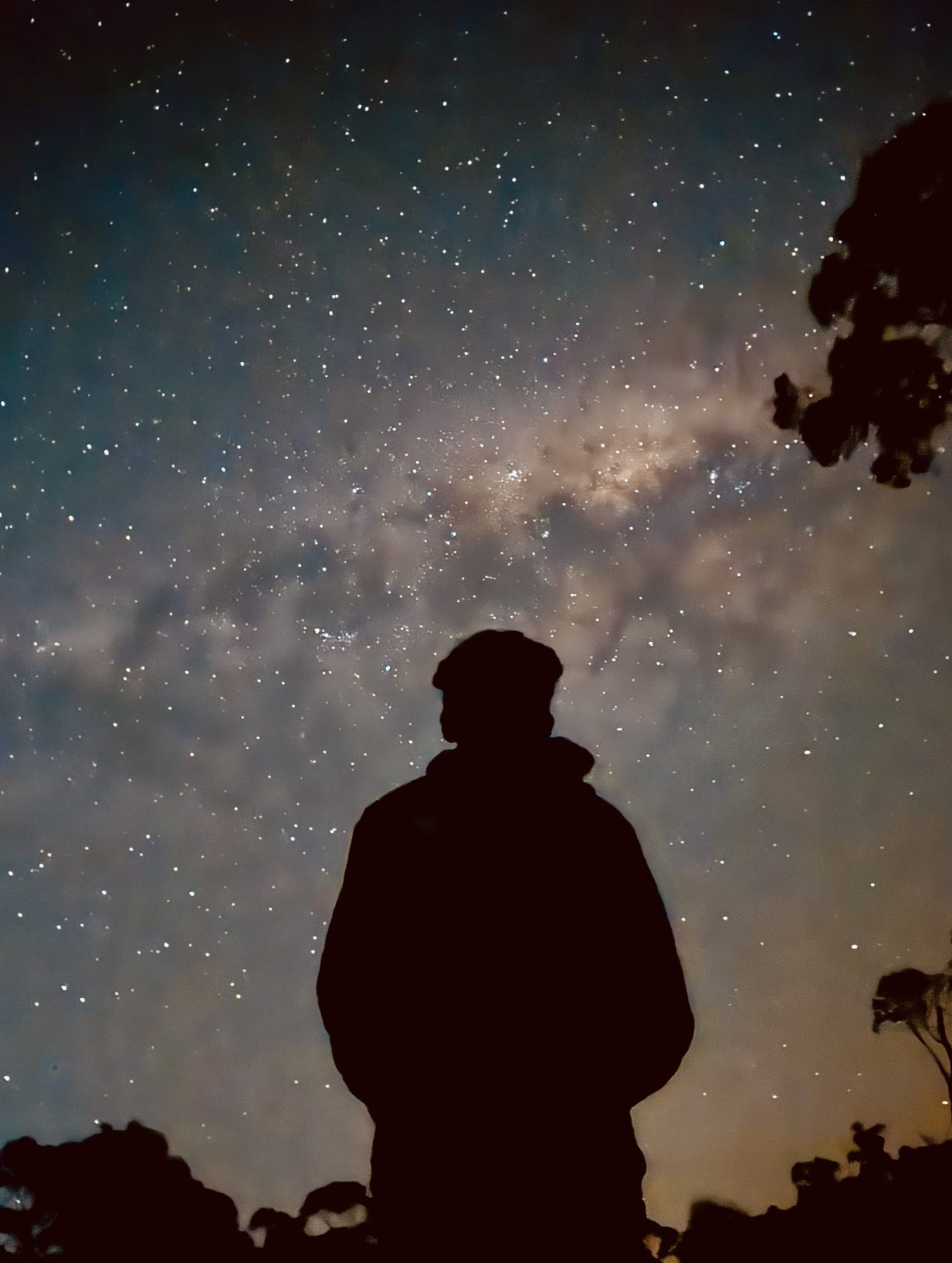
Arthurs Seat Stars Over the Bay
Arthurs Seat at night feels alive.
Facing one direction, you see the glittering spread of Melbourne’s coastline. In the other, a darker horizon pulls your attention upward. The wind carries both saltwater and warm bushland, and the stars scatter across the sky in soft clusters.
It’s a beautiful spot for couples, for meaningful conversations, for quiet moments that don’t need many words. There’s something about watching the sky expand above the bay that reminds you how much happens outside of your everyday rhythm.
On clear nights, it’s one of the most rewarding escapes in the region.

The Great Ocean Road When the Coast Turns Quiet
The Great Ocean Road is famous for its daytime views, but at night, it becomes something entirely different.
Once the last car disappears and the ocean settles into its evening rhythm, the stars begin to form a canopy over the water. The horizon dissolves into a deep midnight blue, and everything feels spacious sea, sky, and silence blending in a way that makes you pause.
If you stay long enough after sunset, you’ll see why this coastline feels both ancient and gentle. It’s the kind of place where the night sky becomes a companion rather than a backdrop.

Stanley Park, Mount Macedon Space to Breathe
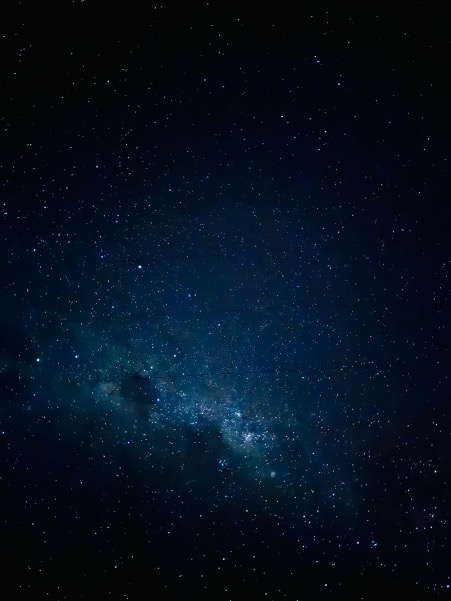
Some places feel naturally designed for stargazing. Stanley Park is one of them.
Wide, open, quiet, and surrounded by tall trees, it offers a rare sense of spaciousness. The sky feels bigger here, and you can lie down without thinking about anything other than the cool grass and the slow movement of the stars above.
It’s a place that invites stillness. A place to breathe. A place to think without trying.
Whenever life feels noisy, this is where I go.

Cambarville, Eurobin, Long Forest The Hidden Corners
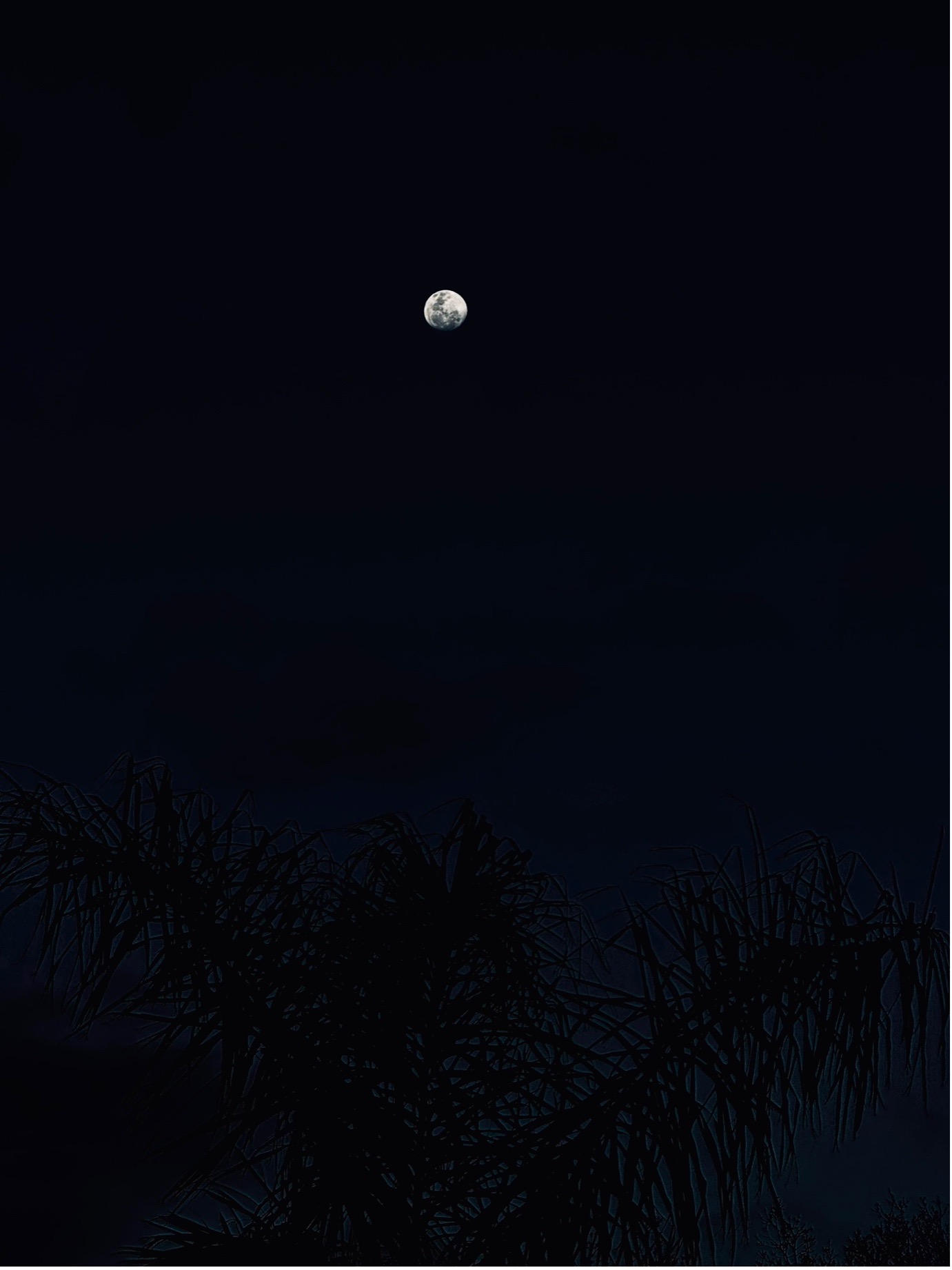
These are the locations that you don’t usually find on travel websites. They’re the kind of places you discover by accident or through people who love wandering the way you do.
Cambarville’s tall mountain forests create natural frames for the sky. Eurobin feels untouched, with shadows that deepen into a quiet kind of beauty. Long Forest has a rugged stillness that makes the stars feel sharper.
These spots don’t promise perfection. They promise authenticity the kind of night sky that feels earned.
When Stargazing Becomes More Than a View
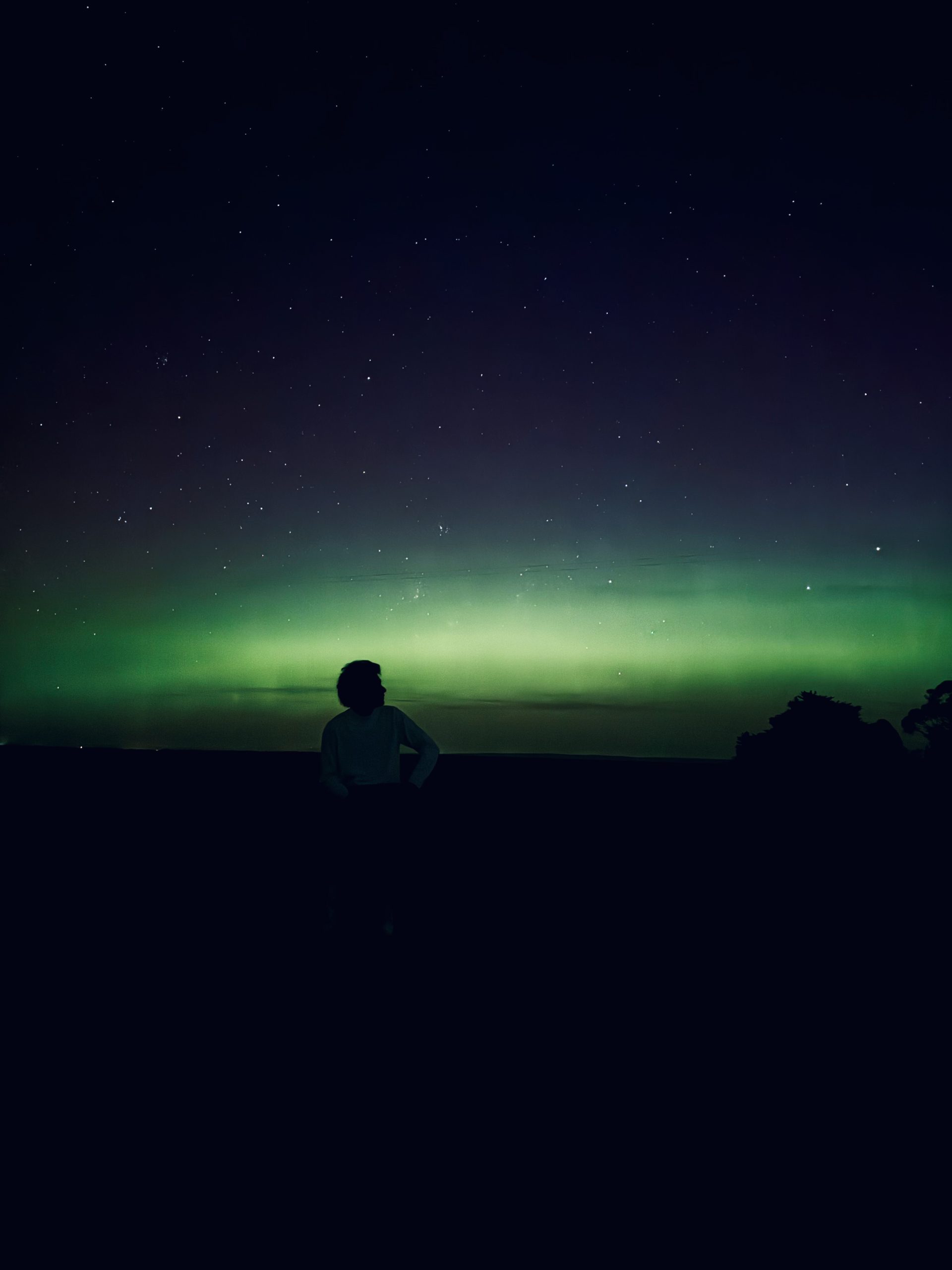
The more time I spend stargazing around Melbourne, the more I realise that it’s rarely about the stars themselves.
It’s about the conversations that only seem to happen when the world quiets down. It’s about memories from childhood that rise to the surface unexpectedly. It’s about clarity that only appears when you’re not looking for it. And sometimes, it’s about sharing a moment with someone who makes you feel understood.
I still remember the night I asked someone I liked to go stargazing with me. We drove out to a quiet hilltop, the sky opened up just enough, and everything felt suspended simple, warm, a little hopeful. It wasn’t planned. It wasn’t dramatic. But it was real, and that made it memorable.
That’s the thing about stargazing. It turns ordinary nights into gentle moments of connection.
A Simple Guide for Anyone Curious to Start
Stargazing doesn’t require expertise. You don’t need telescopes, apps, or advanced knowledge. You just need openness.
A few things help:
- Check for clear skies, even if only for an hour
- Let your eyes adjust slowly; the sky reveals itself in stages
- Step away from streetlights (Check light pollution)
- Bring a blanket or warm jacket; nights cool quickly
- Don’t rush the beauty is in the stillness
It doesn’t sound like much, but it’s often enough.

All images in this article were taken by Glamorazzi contributor, Sreekanth Reddy Mule
Disclaimer: All experiences, insights, and recommendations in this article are based entirely on my own personal stargazing trips across Victoria. This is not a paid partnership, sponsored content, or formal advice. Weather conditions, accessibility, visibility, and site availability can change quickly, so readers are encouraged to check local forecasts, park guidelines, and venue updates before planning a visit. This guide is intended to inspire your own stargazing adventures, not provide professional or guaranteed information.